



 Home
HomeA Deep Technical and Market Analysis of ENF Grade Environmental Standard for Engineered Wood Panels
 28 Apr,2026
Why Global Buyers Are Focusing on Formaldehyde Standards
The global furniture and building materials sectors are undergoing a massive regulatory and consumer-driven shift. In the past decade, regulatory bodies in the United States (EPA TSCA Title VI), the European Union (REACH directives), and Japan (JAS) have systematically tightened permissible indoor emission levels. Consequently, international procurement teams face immense pressure to secure reliable sources of formaldehyde-free engineered wood.
This is no longer merely a compliance issue; it is a fundamental market requirement. Premium consumer markets now demand complete transparency regarding indoor air quality, accelerating the shift toward eco-friendly decorative surface materials and low-emission core boards. For importers and B2B buyers, understanding the evolving landscape of global standards—particularly China's stringent ENF grade—is critical to mitigating legal risks, maintaining supply chain resilience, and capturing premium market segments.
What ENF Standard Actually Means in Practice
To make informed sourcing decisions, buyers must move beyond surface-level definitions and understand what is China ENF grade wood in a practical manufacturing context.
Introduced under the Chinese National Standard GB/T 39600-2021, the ENF (Emission Non-Formaldehyde) grade mandates a formaldehyde emission limit of ≤0.025 mg/m³ tested via the 1m³ climate chamber method. This represents the absolute pinnacle of ultra-low formaldehyde emission boards currently codified in national legislation globally.
However, a critical industry reality must be clarified regarding the term "zero formaldehyde added plywood MDF." Wood naturally contains trace amounts of formaldehyde. Therefore, ENF does not mean the board has absolute zero formaldehyde; rather, it signifies that no formaldehyde-based adhesives (like traditional Urea-Formaldehyde resins) were added during manufacturing. Achieving ENF compliance requires factories to utilize advanced NAF (No Added Formaldehyde) resins, such as MDI (Methylene Diphenyl Diisocyanate) or soy-based bio-glues. For procurement teams, ENF serves as a verified benchmark that the supply chain has successfully transitioned to these advanced resin technologies.
ENF vs Global Standards (Decision-Level Comparison)
When developing a low emission engineered wood panels guide for corporate sourcing, comparing isolated numbers is insufficient. Buyers must evaluate the testing methodologies and the legal implications of each standard.
E1 vs E0 vs ENF formaldehyde emissions: * E1 (≤0.124 mg/m³): The baseline standard for indoor use in many regions. Acceptable for mass-market, budget-conscious applications but increasingly rejected by premium buyers.
- E0 (≤0.050 mg/m³): A significant upgrade, often used as the standard for mid-to-high-end cabinetry.
- ENF (≤0.025 mg/m³): Exactly half the emission limit of E0, requiring entirely different adhesive systems.
CARB NAF vs ENF standard: * California Air Resources Board (CARB) NAF is primarily a process-based exemption. It requires a manufacturer to prove they use No Added Formaldehyde resins and consistently test below a specific threshold (typically ≤0.04 ppm) to be exempt from continuous third-party certification.
- ENF is a product-based performance limit. While both utilize similar MDI/soy glues, ENF is strictly defined by the ≤0.025 mg/m³ chamber test result.
F4 Star vs China ENF grade: * Japan’s F**** (F4 Star) standard (≤0.3 mg/L via the desiccator method) is legendary for its strictness and allows for unrestricted indoor use.
- Because the testing methodologies differ (desiccator vs. 1m³ chamber), a direct mathematical conversion is flawed. However, in practical manufacturing, boards engineered to pass ENF routinely meet or exceed F4 Star performance parameters. Both represent the ceiling of current global eco-standards.
Why ENF Is Gaining Attention in International Trade
The disruption in global supply chains has forced buyers to diversify their sourcing matrices. Historically, North American buyers strictly demanded CARB Phase 2 or EPA TSCA certifications. However, as the cost of specialized NAF compliance in Western markets surges, savvy procurement teams are seeking a reliable CARB NAF alternative wood supplier in Asia.
China's aggressive push toward the ENF standard has created a massive, highly competitive domestic supply of premium, ultra-low emission boards. For international buyers, learning how to import formaldehyde-free panels from China under the ENF designation offers a strategic advantage. It allows them to procure boards manufactured with MDI/soy resins at a more competitive price point than traditional Western NAF-certified mills, successfully balancing rigorous compliance with cost-efficiency.

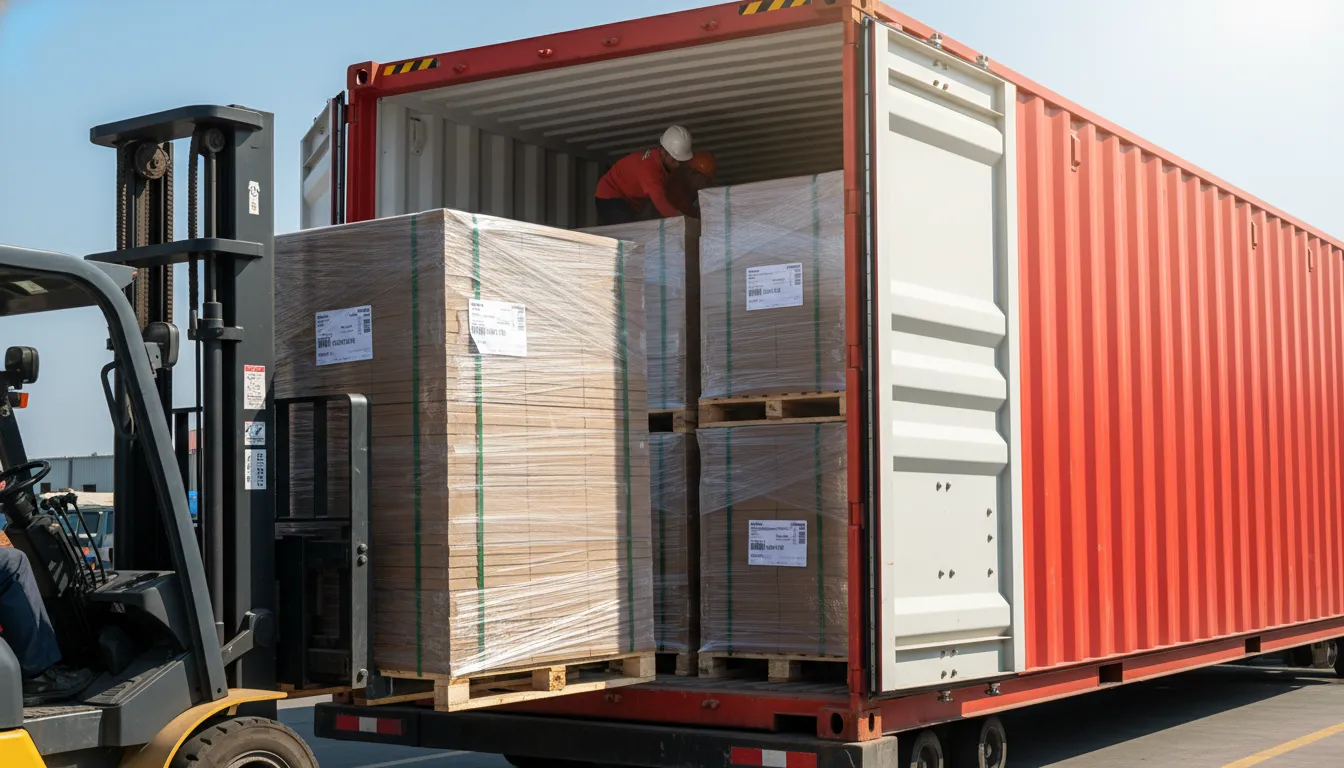
Material Integration: From Core Boards to Surface Solutions
A common failure point in B2B procurement is focusing entirely on the core board while neglecting the surface application. Purchasing an ENF core board is futile if it is laminated using high-emission solvent-based glues or toxic PVC overlays.
Compliance must be evaluated holistically. Buyers must transition to a completely formaldehyde-free furniture lamination process. This is driving the rapid adoption of ENF grade PET laminated panels. Polyethylene Terephthalate (PET) is inherently food-grade, highly durable, and free of toxic plasticizers or volatile organic compounds (VOCs).
By pairing an ENF-certified MDF or plywood core with a safe decorative film for furniture manufacturing—such as high-quality PET or PP (Polypropylene)—using PUR (Polyurethane) hot-melt adhesives, manufacturers can guarantee that the final composite panel remains strictly within ultra-low emission parameters.
Real Procurement Logic
Identifying a genuine ENF grade wood panel manufacturer China requires a rigorous vetting process. The market contains risks of false claims, where suppliers may use E0 boards and market them as ENF to secure higher margins.
When sourcing wholesale formaldehyde-free decorative boards, procurement teams must enforce the following evaluation criteria:
- Demand Chamber Test Reports: Do not accept in-house desiccator tests for ENF claims. Require 1m³ climate chamber test reports (GB/T 39600-2021) issued by globally recognized, CMA/CNAS-accredited third-party laboratories (e.g., SGS, Intertek, or national quality inspection centers).
- Audit the Resin Supply Chain: An authentic ENF manufacturer will be transparent about their adhesive supplier. Ask for the brand and technical data sheets of the MDI or bio-glue used in their production lines.
- Traceability: Ensure the supplier has batch-level tracking that connects specific production runs to specific emission test results.
Application Scenarios
The investment in ENF-grade materials yields the highest ROI in specific manufacturing scenarios where consumers are hyper-aware of environmental health:
- Premium Kitchen Cabinets & Wardrobes: Spaces with high wood-panel density in confined areas require ultra-low emissions to prevent cumulative off-gassing.
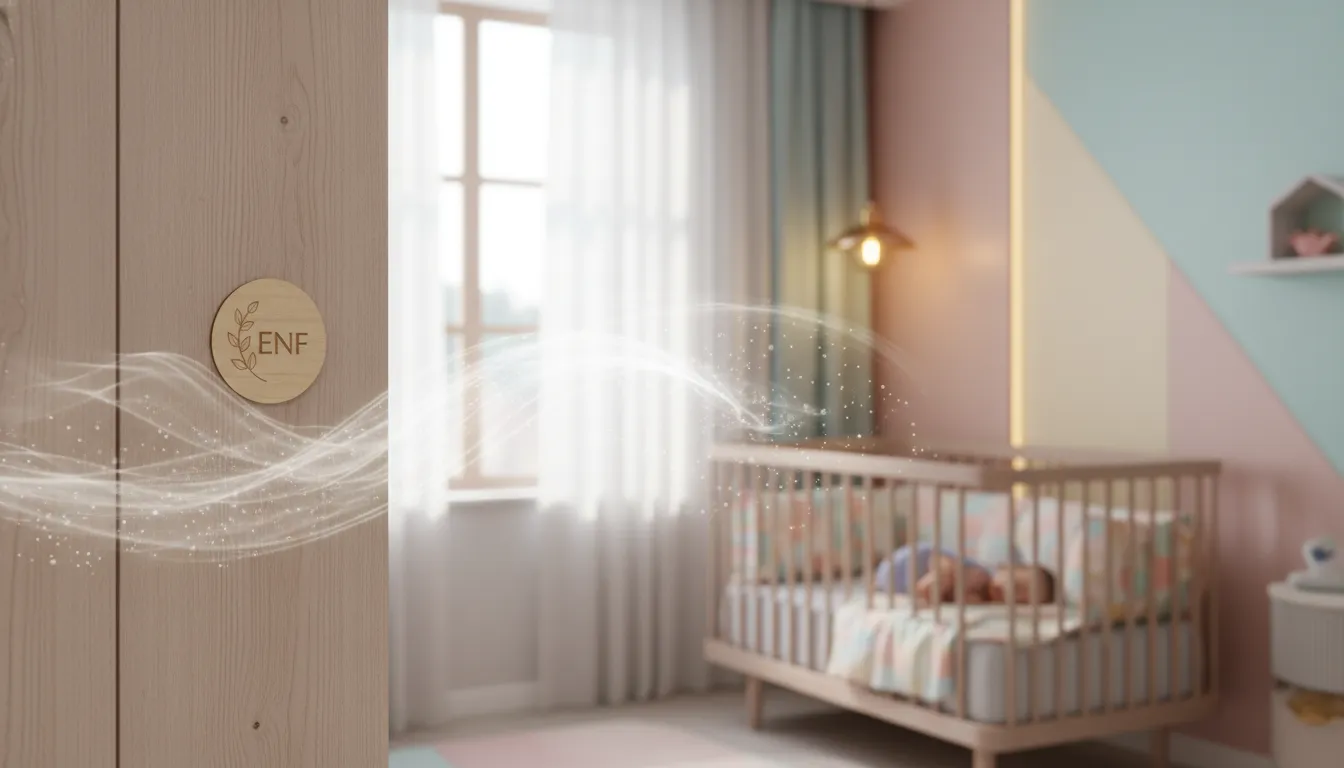
- Maternity & Children's Furniture: The absolute strictest segment, where brands cannot afford any liability regarding indoor air quality.
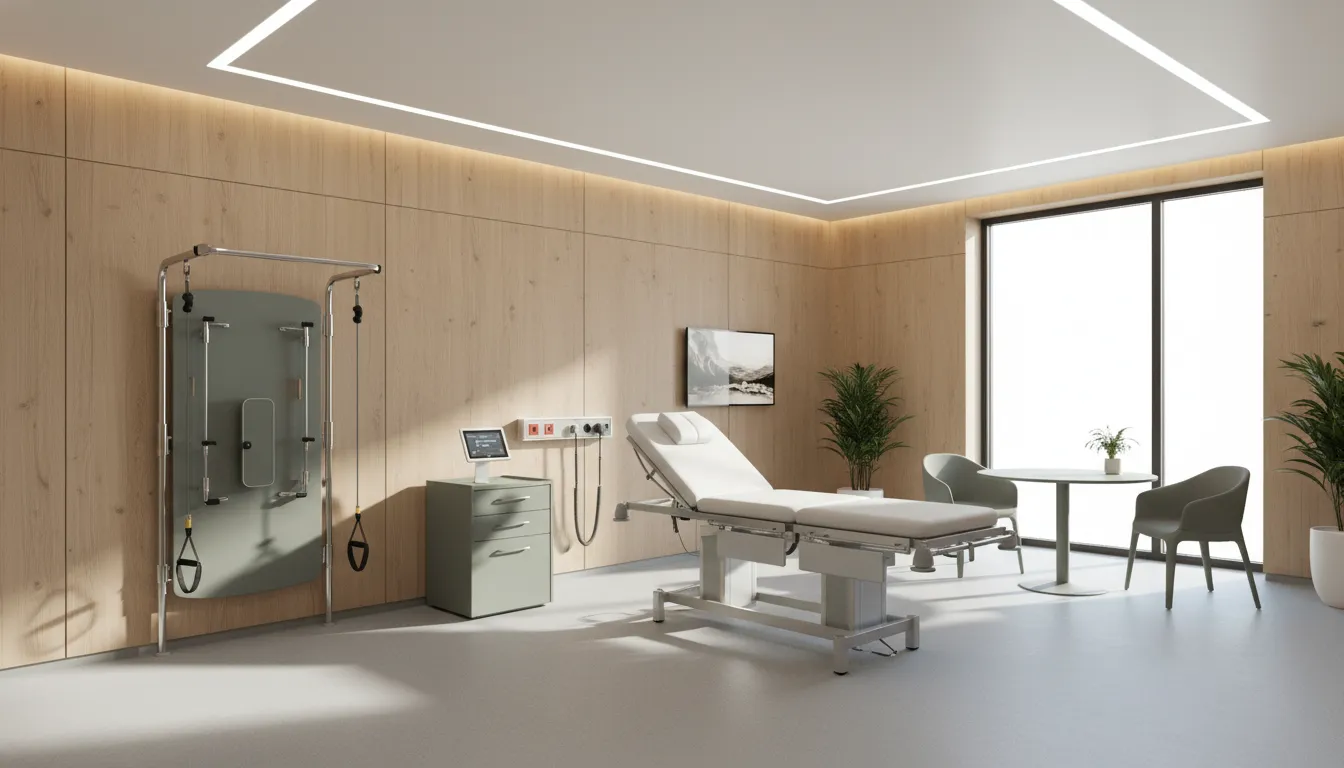
- Healthcare & Educational Interiors: Institutional projects increasingly write ENF or CARB NAF equivalency directly into their architectural tender specifications.
Strategic Insight: The Decision Framework
For international buyers, selecting the right standard is a matter of market alignment and legal liability:
- Choose CARB NAF compliant wood panels: If your primary destination market is the United States (particularly California). Customs and local distributors will explicitly look for CARB/EPA documentation; introducing a foreign standard (even a superior one) can cause unnecessary friction at customs.
- Choose Japan F4 Star: If exporting directly to Japan, or serving ultra-premium bespoke clients in Asia who have deep-seated brand trust in the JIS (Japanese Industrial Standards) system.
- Choose China ENF: If you are manufacturing in China for export to Europe, Southeast Asia, or the Middle East, or if you are seeking the most cost-effective route to secure verified MDI-glued, ultra-low emission core materials. ENF provides a globally competitive, high-performance baseline that satisfies the most rigorous internal corporate ESG (Environmental, Social, and Governance) targets.
Harmonizing Core and Surface with WellP
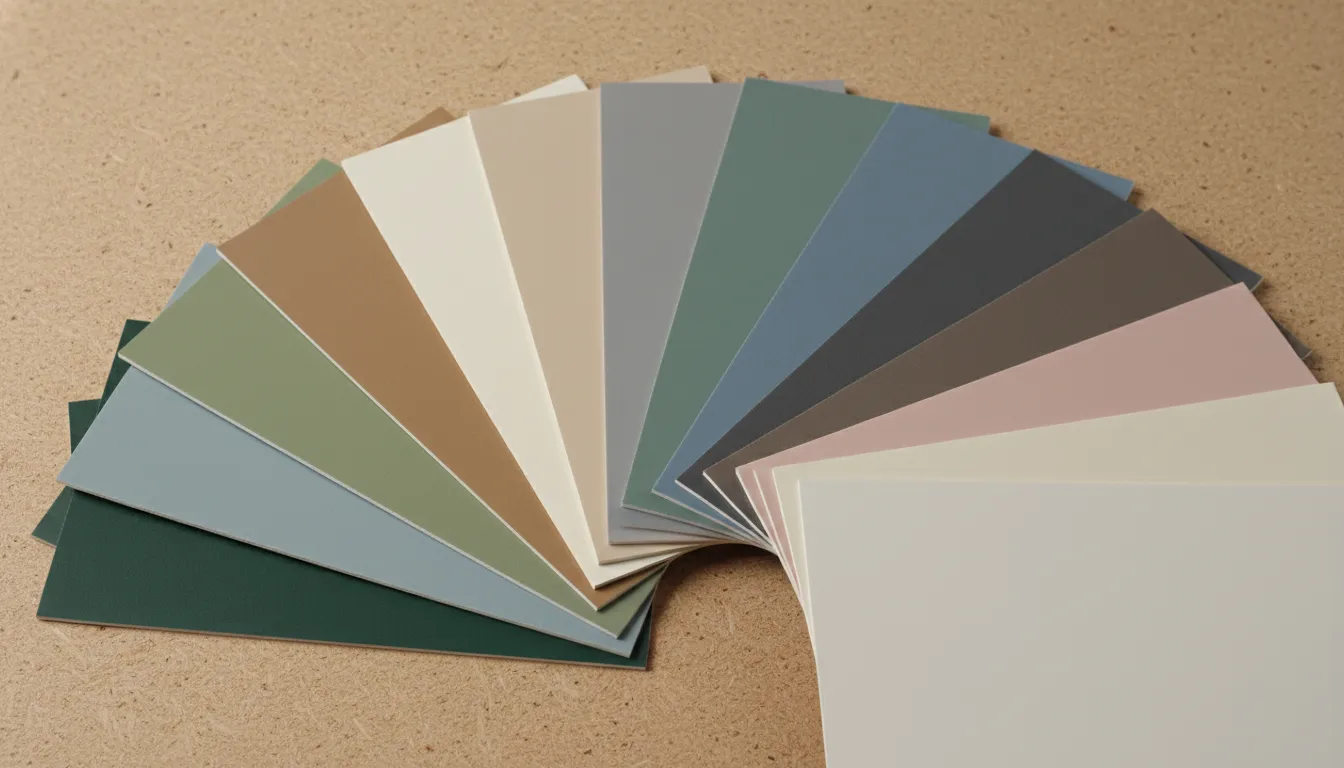
Achieving final product compliance requires synchronization between the core board and its finish. WellP specializes in supplying eco-friendly PET decorative films specifically engineered to integrate seamlessly with low-emission board systems. By utilizing advanced surface solutions that require zero toxic solvents during the lamination process, manufacturers can confidently pair WellP films with ENF, CARB NAF, or F4 Star core boards without compromising the environmental integrity of the finished furniture panel.

Frequently Asked Questions
Q: Can I use an ENF test report to clear US Customs instead of CARB/EPA certification?
A: No. While ENF panels (using MDI glues) often exceed the physical performance requirements of US standards, US Customs and Border Protection legally requires explicit EPA TSCA Title VI or CARB documentation. You must ensure your ENF supplier also holds the specific North American certificates for those export shipments.
Q: Does laminating a surface film onto an ENF board alter its formaldehyde emission rating?
A: It can, depending on the lamination process. If you use standard cold-press urea-formaldehyde glue to apply a veneer or film, you will ruin the ENF rating. To maintain compliance, you must use PUR hot-melt adhesives combined with stable, non-toxic films like PET or PP.
Q: Is ENF material significantly more expensive than E0?
A: Generally, yes. The cost premium is primarily driven by the NAF resins (like MDI), which are significantly more expensive than traditional urea-formaldehyde glues. However, as production scale increases in Asian mills, the price gap between E0 and ENF is steadily narrowing, making it increasingly viable for mid-market furniture lines.
 Beyond the Surface: Why Antibacterial PET Decorative Films Are Becoming Essential in Public Space Projects