



 Home
HomeWalk-in Closets: Why PET Film Fits Premium Wardrobe Systems
 03 Aug,2026
The architectural approach to residential storage has transformed dramatically over the last decade. High-end residential projects no longer treat storage as an afterthought. Instead, walk-in closet design has evolved into a highly curated experience, demanding the same level of material sophistication as luxury kitchens and primary bathroom suites.
For interior designers, custom millwork shops, and furniture manufacturers, this shift presents a distinct challenge: finding surface materials that deliver flawless aesthetics while withstanding daily, high-touch use. This intersection of visual luxury and physical endurance is exactly where PET decorative film has established itself as the defining material for the next generation of custom storage.
The Evolution of Walk-in Closet Systems
Historically, large-scale custom closets relied heavily on wood veneers or basic melamine boards. While natural wood offers organic warmth, its color inconsistency and susceptibility to moisture and UV fading make it difficult to scale for large, floor-to-ceiling installations. Conversely, standard melamine often lacks the tactile richness required for high-end residential markets.
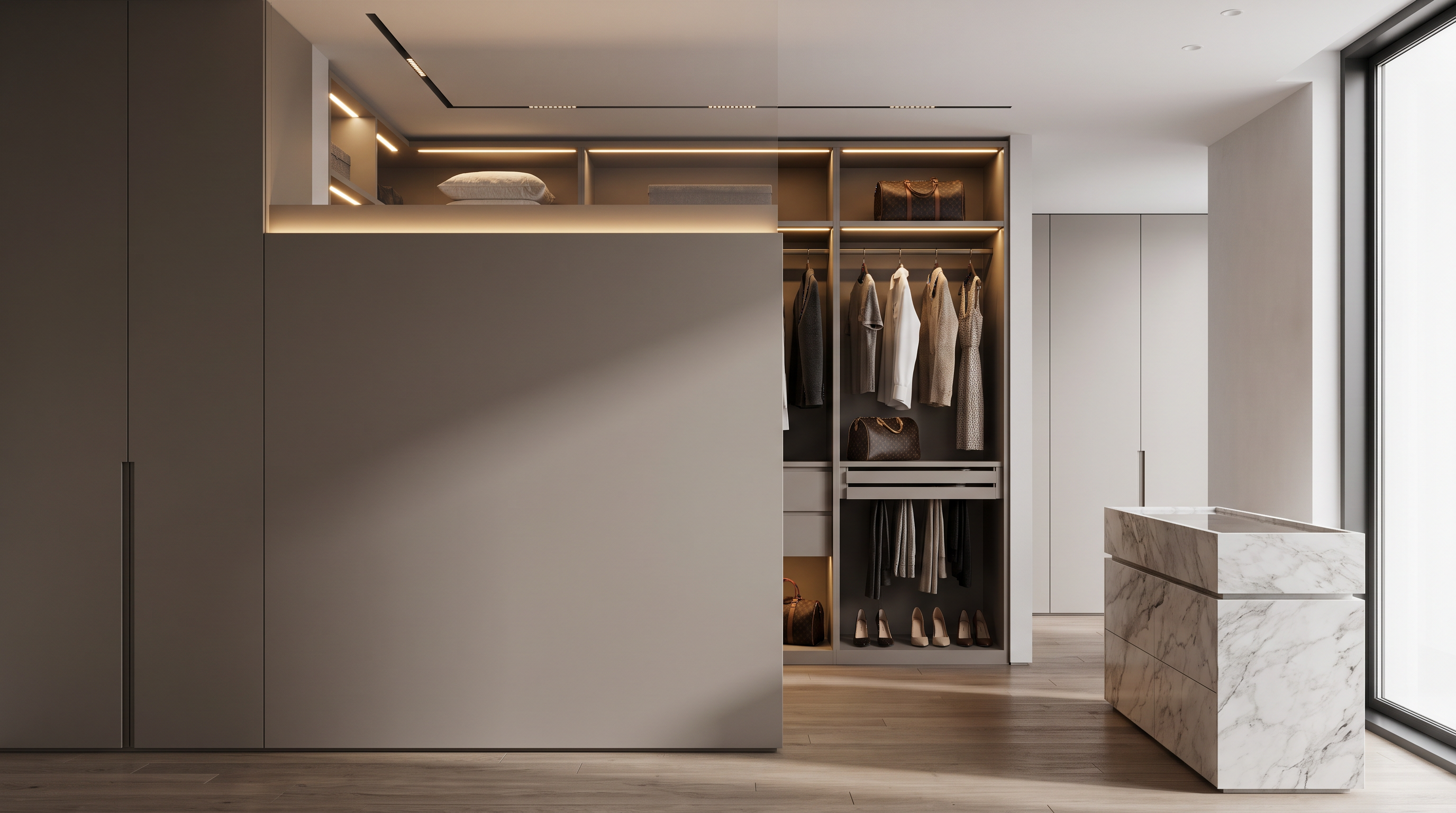
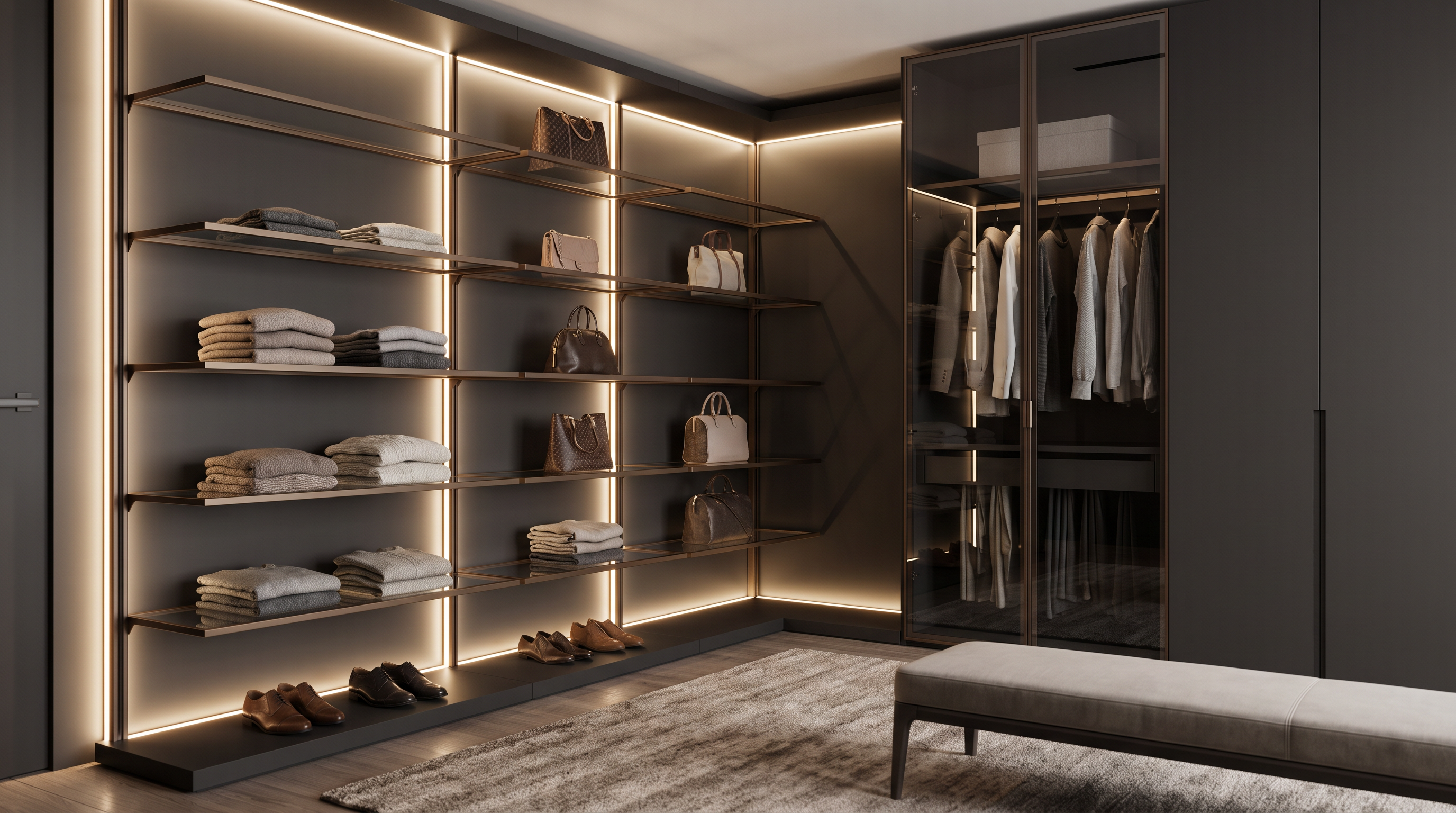
Premium wardrobe systems require a delicate balance. The surfaces must look monolithic and architecturally integrated, yet they must be resilient enough to handle sliding hangers, heavy garments, and constant tactile interaction. The industry’s pivot toward PET laminated wardrobe panels is a direct response to these uncompromising demands.
What Makes PET Film Different?
Polyethylene Terephthalate (PET) is an advanced thermoplastic polymer. In the realm of furniture surface materials, it is engineered into a flexible, highly durable decorative film that can be laminated onto MDF, particleboard, or plywood substrates.
The physical structure of PET allows manufacturers to achieve surface properties that traditional vinyls and papers simply cannot replicate.
Tactile and Visual Diversity
The surface technology applied to PET film furniture panels allows for extreme precision in gloss levels and texture.
- Ultra Matte PET Finish: This is currently dominating modern wardrobe design. It absorbs light rather than reflecting it, creating a velvety, deeply saturated appearance that aligns with minimalist interior architecture.
- Soft-touch PET Finish: Elevating the matte aesthetic, this finish incorporates a micro-textured surface that feels remarkably similar to genuine leather or soft rubber, adding a sensory layer to the cabinetry.
- High-Gloss Finishes: While high-gloss surfaces deliver striking reflective depth and can make narrow spaces feel larger, it is a fundamental property of the material that gloss finishes are inherently more vulnerable to visible fingerprints than their matte counterparts.
Engineered Durability
Premium closets endure heavy daily use. Scratch-resistant wardrobe doors are no longer an optional upgrade; they are an expectation. PET is structurally robust, offering exceptional resistance to micro-scratches caused by fingernails, rings, or metal garment zippers.
Furthermore, matte PET variations frequently feature an anti-fingerprint cabinet finish. This technology utilizes nanocoatings or specialized calendering processes to disperse skin oils, resulting in easy-to-clean wardrobe panels that require minimal daily upkeep.
Uncompromising Environmental Performance
As global regulations tighten around volatile organic compounds (VOCs), the demand for eco-friendly closet materials is peaking. PET is entirely free of toxic plasticizers, chlorine, and heavy metals. It does not off-gas formaldehyde or harmful chemical odors, making it the premier choice for enclosed bedroom environments and high-density housing projects.
Material Comparison: PET vs PVC vs Melamine
Understanding the specific performance parameters of competing materials is essential when engineering high-value millwork. When evaluating PET vs PVC wardrobe materials and traditional melamine, the differences in lifecycle value become apparent.
| Performance Metric | PET Decorative Film | PVC Film | Standard Melamine |
|---|---|---|---|
| Visual Depth & Color | Exceptional; zero color shifting | Good; potential for slight yellowing | Average; printed paper layer |
| Tactile Quality | Premium (Soft-touch, Ultra Matte) | Standard to smooth | Rigid, often textured |
| Scratch Resistance | High (Self-healing properties on premium grades) | Moderate | Moderate to High (brittle) |
| Environmental Impact | Highly eco-friendly, recyclable | Contains chlorine/plasticizers | Resin-dependent |
| VOC Emissions | Zero / Undetectable | Moderate | Dependent on core board/resin |
| Edge Banding Match | Seamless, invisible joint potential | Visible seam lines over time | Prone to chipping at edges |
| Cost Category | Premium / Upper-Mid | Economy / Mid | Economy |
For basic utility storage, melamine remains cost-effective. However, when specifying materials for luxury walk-in closets, PET bridges the gap between the high performance of engineered plastics and the refined aesthetics required by top-tier architectural firms.
Why Designers Prefer PET Film for Walk-in Closets
The influence of "quiet luxury" in residential design has directly impacted material specification. Designers are moving away from heavily ornamented cabinetry, favoring clean, uninterrupted architectural lines.
The Handleless Wardrobe Trend
Custom closets are increasingly designed with push-to-open mechanisms or integrated J-pull profiles. This means users are constantly touching the cabinet faces. The soft-touch PET finish combined with anti-fingerprint technology ensures that these handleless expanses remain pristine without requiring constant wiping by housekeeping staff.
Neutral Color Palettes and Monolithic Blocks
Modern interiors favor expansive blocks of solid, neutral colors—warm taupes, deep charcoals, and muted sages. PET film excels in color consistency. Whether wrapping a standard drawer front or a massive three-meter floor-to-ceiling door, the color remains perfectly uniform across different production batches.
Interaction with Integrated Lighting
Premium closets utilize extensive LED ribbon lighting within cabinet interiors and along hanging rods. High-quality ultra matte PET finish diffuses this artificial light beautifully, eliminating the harsh glare and "hot spots" that typically occur when LEDs reflect off standard painted or PVC surfaces.
Manufacturing Considerations for Fabricators
Transitioning to or expanding the use of PET film for wardrobes requires precision in the manufacturing environment. To achieve a flawless wear-resistant furniture surface, the lamination process must be rigorously controlled.
Fabricating PET cabinet panels generally involves flat lamination lines using PUR (Polyurethane) adhesives. PUR is critical because it creates a cross-linked, moisture-resistant bond that prevents the film from delaminating, even in environments with fluctuating humidity.
The substrate quality is equally vital. Because PET film is remarkably smooth, any telegraphing (surface imperfections from the core board showing through the film) will ruin the luxury aesthetic. Fabricators must use high-density MDF or refine the substrate surface prior to lamination.
Material Selection & Manufacturing Checklist
- Substrate Preparation: Ensure MDF density is uniform and surface is sanded to minimum 150-grit.
- Adhesive Selection: Utilize high-quality PUR hot melt to guarantee a moisture-proof, unbreakable bond.
- Tension Control: Monitor unwinding tension on the laminator to prevent film stretching, which can cause panel warping post-production.
- Edge Banding: Source exact-match ABS or PET edge banding. Utilize zero-joint (laser or hot air) edge banders to eliminate the glue line, creating a solid-block illusion.
- Protective Masking: Ensure the PET film arrives with a reliable protective peel-coat to prevent damage during CNC routing, drilling, and final installation.
Developing Reliable Supply Chains with a PET Decorative Film Manufacturer
For B2B buyers, cabinet factories, and large-scale architectural millwork providers, the end product is only as reliable as the raw material supply chain. Partnering with a specialized interior decorative film manufacturer ensures consistency across high-volume projects.
As an experienced decorative film supplier in China, WellP focuses on the critical engineering tolerances required by international furniture manufacturers. Supplying decorative PET film rolls and laminated panels means taking responsibility for batch-to-batch color stability, dyne level consistency for proper adhesion, and precise thickness tolerances.
By collaborating directly with a PET film supplier that understands the nuances of surface development, cabinet manufacturers can confidently execute OEM solutions, develop proprietary custom colors, and maintain the stringent quality control required for the luxury residential sector.
Frequently Asked Questions (FAQ)
What are the best materials for custom walk in closets?
The optimal material depends on the project tier. For premium, modern applications, PET laminated panels are considered the best choice due to their eco-friendly nature, extreme durability, and ultra-matte aesthetics. For traditional or heritage designs, natural wood veneer remains popular, though it requires significantly more maintenance.
Is PET film better than PVC?
Yes, particularly for interior residential applications. PET is a superior polymer that is completely free of toxic plasticizers and chlorine. It offers better color stability, higher scratch resistance, and a significantly lower environmental impact than PVC, making it the preferred choice for green building standards.
Are PET wardrobe panels scratch resistant?
Yes. High-quality PET films are engineered with robust surface densities that inherently resist daily wear and tear. While no surface is entirely scratch-proof against sharp metal objects, a low maintenance wardrobe finish made of PET will easily withstand the micro-scratches typical of clothing hardware and daily handling.
Is PET film safe for indoor furniture?
Absolutely. PET is the same food-grade material used to manufacture water bottles. It contains zero formaldehyde, emits no harmful VOCs, and is completely safe for enclosed indoor environments like walk-in closets and bedrooms, ensuring excellent indoor air quality.
Key Takeaways
The specification of materials in luxury residential architecture is undergoing a definitive shift. As homeowners and designers demand spaces that are simultaneously visually striking, environmentally responsible, and highly functional, traditional laminates are falling short.
The integration of PET decorative film into wardrobe systems resolves the tension between beauty and durability. By offering flawless matte and soft-touch visuals alongside robust physical resistance and zero-VOC emissions, PET film has rightfully earned its position as the foundational material for the future of custom cabinetry. For manufacturers and designers looking to elevate their product offerings, mastering and adopting this advanced surface technology is no longer just an option—it is an industry imperative.
 Coordinating Wardrobes, Doors, and Wall Panels with PET Film