


 Home
HomeThe Future of Interior Wall Panels: Why PET Film Is Redefining Modern Spaces
 29 Dec,2025
Interior wall panels are no longer treated as a secondary design element. In today’s architecture and interior design, walls have become a defining surface—one that shapes spatial character, reflects brand identity, and must perform reliably over time.
As expectations evolve, so do materials. Among the options available, PET film wall panels are increasingly redefining how modern spaces are designed, finished, and experienced.
From Background Surface to Design Statement
Traditionally, interior walls relied heavily on paint, wallpaper, or veneer. While familiar, these solutions often struggle to meet contemporary demands for consistency, durability, and sustainability—especially across large surfaces.
Modern interiors now favor wall panels that offer:
- Clean, uninterrupted visual flow
- Precise color control and finish consistency
- Surfaces that maintain their appearance under daily use
This shift has opened the door for advanced surface materials like PET film to take a leading role.
Why PET Film Fits the Language of Modern Design
PET film aligns naturally with modern architectural principles—clarity, restraint, and material honesty.
Its smooth, controlled surface allows designers to achieve:
- Uniform finishes across expansive wall areas
- A refined, contemporary aesthetic with minimal visual noise
- Matte, soft-touch, or subtly textured effects that enhance spatial depth
Unlike traditional finishes that vary from batch to batch, PET film delivers predictable results—an essential quality in high-end residential and commercial projects.
Performance That Matches Aesthetic Expectations
A modern wall panel must do more than look refined. It must perform.
PET film wall panels are valued for their:
- Resistance to scratches, stains, and everyday wear
- Easy maintenance, ideal for high-traffic interiors
- Long-term color stability under interior lighting conditions
These characteristics make PET film especially suitable for spaces where walls are touched, viewed up close, and expected to remain pristine over time.
Sustainability as a Design Requirement
Sustainability is no longer optional—it is part of the design brief.
PET film supports modern environmental standards through:
- Low VOC and formaldehyde-free surface options
- Efficient manufacturing with reduced material waste
- Long service life, minimizing replacement and refurbishment cycles
For designers and developers seeking materials that align with responsible building practices, PET film offers a compelling balance between performance and environmental consideration.
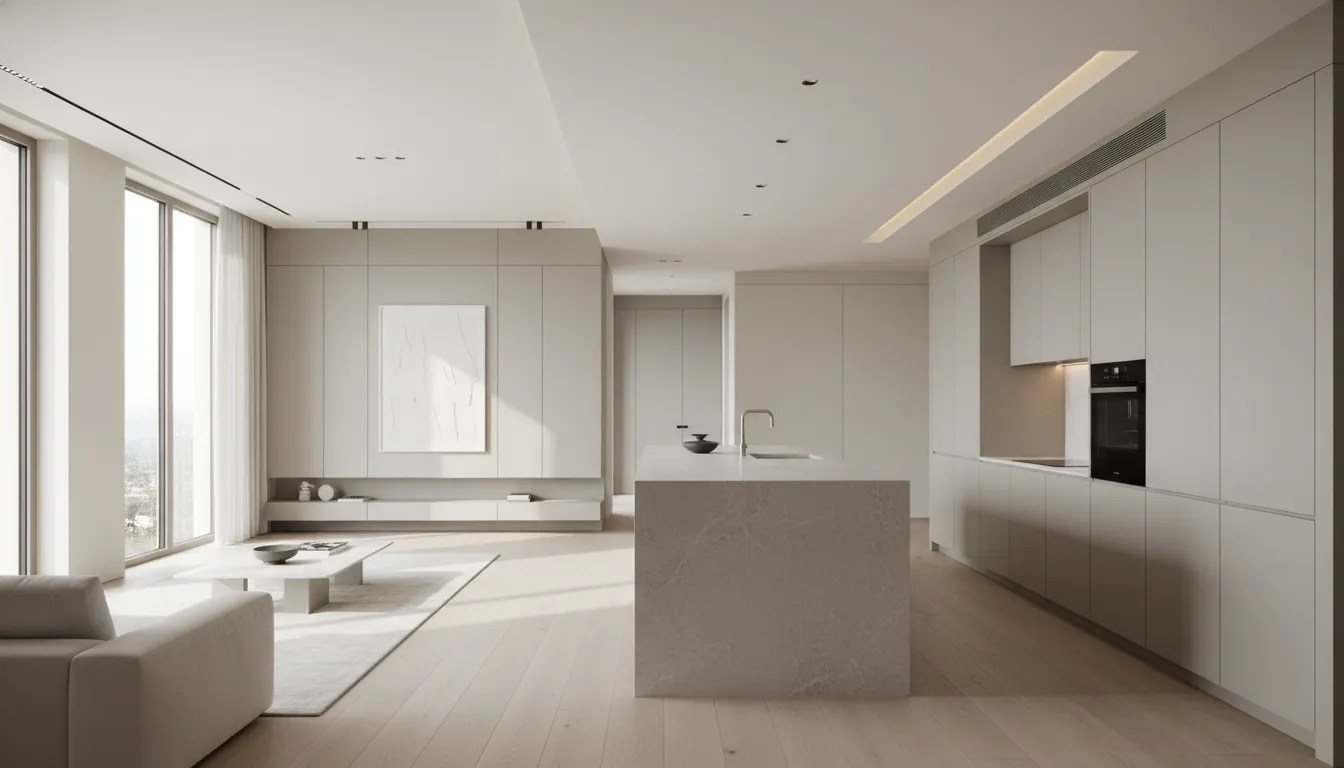
Applications Across Residential and Commercial Spaces
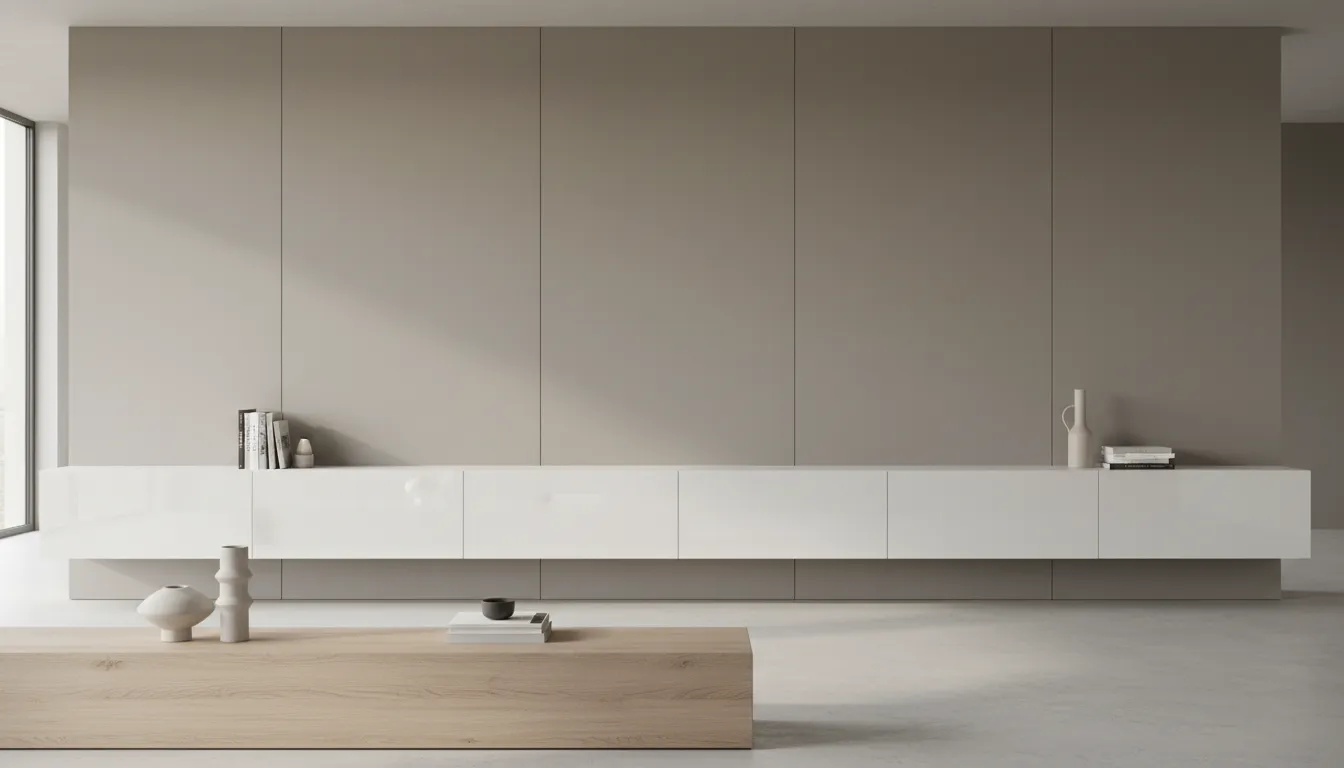
The versatility of PET film wall panels allows them to move seamlessly across environments:
- Residential living spaces seeking calm, cohesive surfaces
- Hospitality and office interiors requiring durability and elegance
- Retail and public spaces where visual consistency reinforces brand identity
This adaptability is a key reason PET film is gaining global acceptance as a next-generation wall panel surface.
A Clear Direction Forward
As interior spaces continue to prioritize longevity, visual clarity, and sustainable value, PET film is no longer an alternative—it is becoming a reference point.
At WellP, we work with designers and manufacturers worldwide to support wall panel applications that demand both aesthetic refinement and reliable performance. Our PET film solutions are developed to meet the evolving expectations of modern interiors—where walls are not simply finished, but thoughtfully designed.
Final Perspective
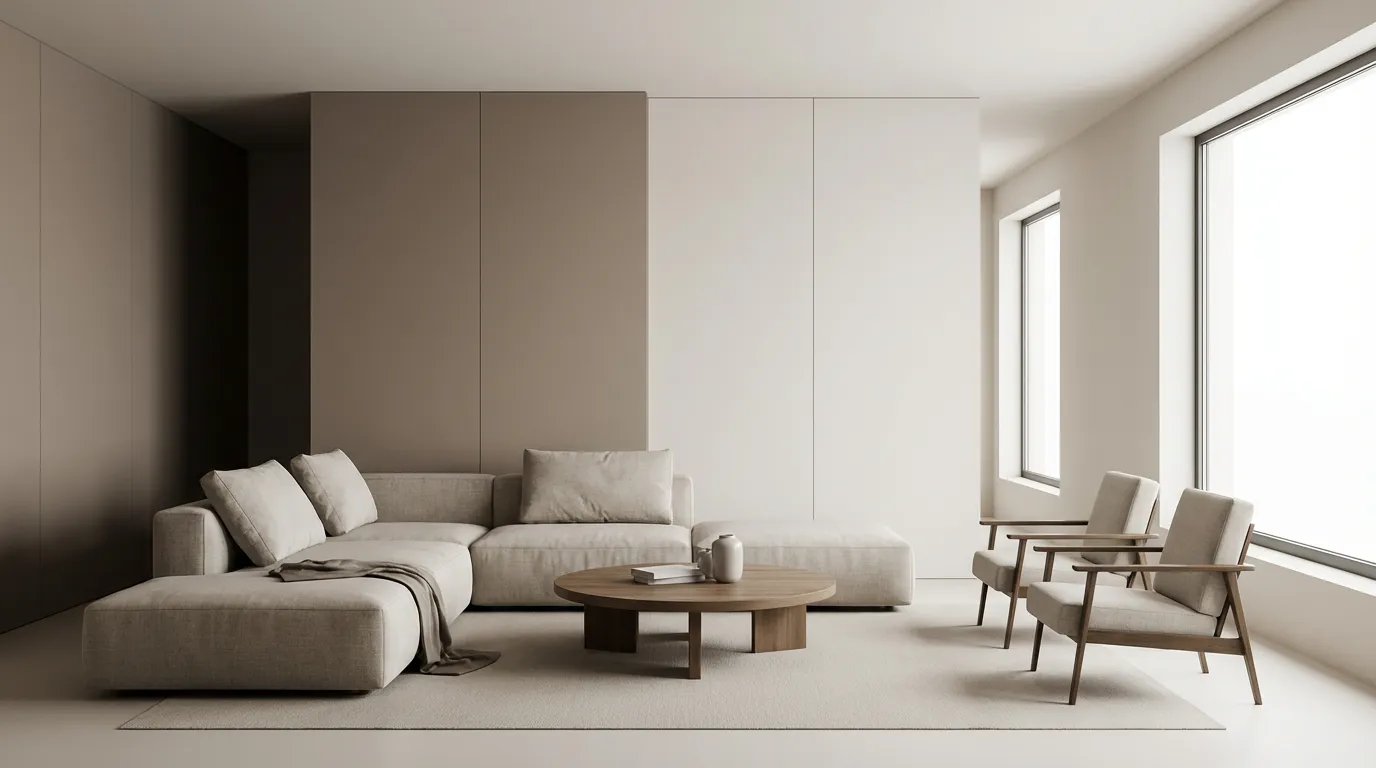
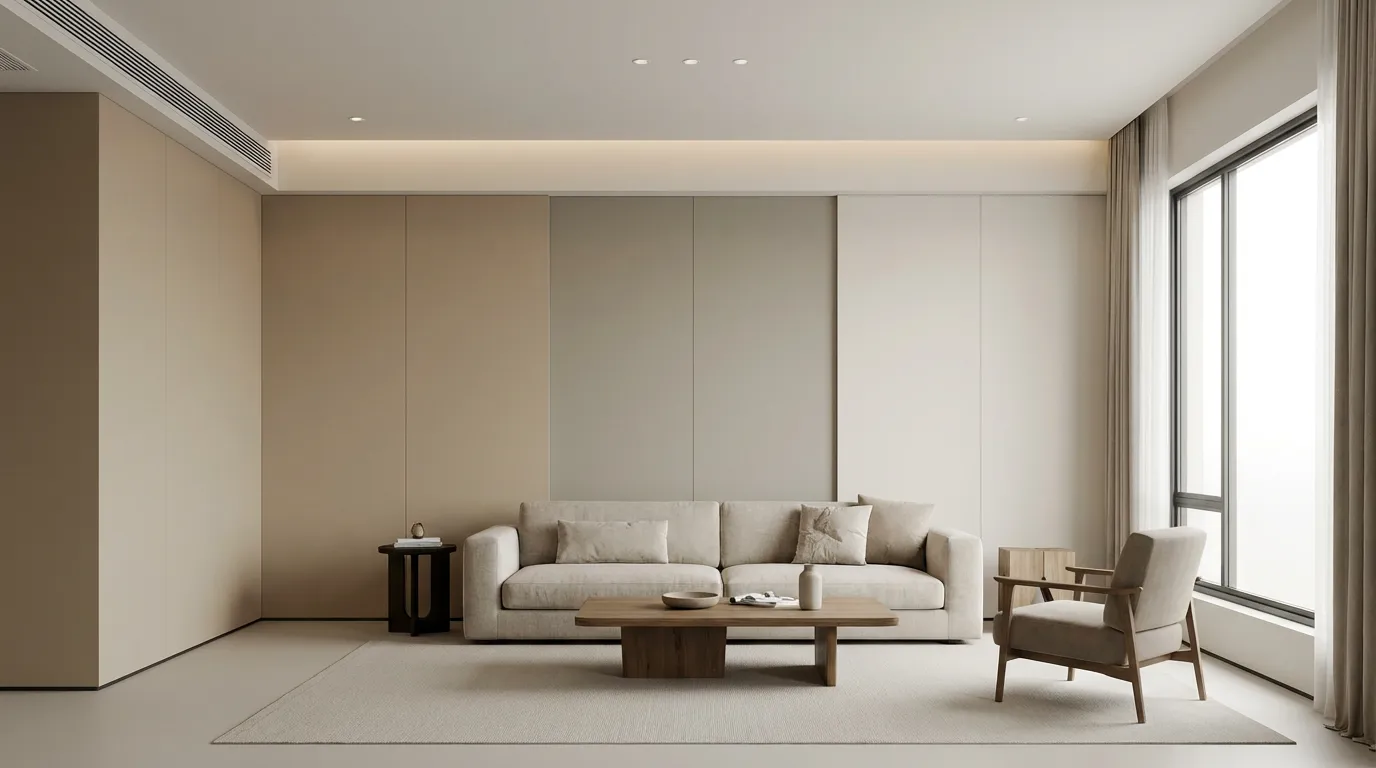
The future of interior wall panels lies in materials that respect design intent while delivering consistent, long-term value. PET film represents this evolution—quietly redefining modern spaces through precision, performance, and purpose.
 Beyond Paint and Wallpaper: Why PET Film is the Future of Wall Paneling