



 Home
HomeWhat is PET Laminate: A Technical Guide for Panel and Furniture Manufacturers
 26 Mar,2026
The decorative surface industry has experienced a distinct shift toward materials that balance aesthetic demand with manufacturing efficiency and environmental compliance. Among these materials, PET laminate has emerged as a dominant surfacing solution for premium panel production.
For furniture manufacturers, cabinet producers, and board factories, understanding the material science and structural mechanics behind this surface is crucial for optimizing production lines. This guide explores the definition, structural composition, and industrial applications of PET laminate as a core component in modern furniture manufacturing.
What Defines PET Laminate in Furniture Manufacturing
In a technical context, PET (Polyethylene Terephthalate) is a thermoplastic polymer. However, in panel production, PET laminate refers to a specifically engineered decorative surface system. It is a multi-layered, flexible or semi-rigid film designed to be bonded to a rigid substrate to create finished composite panels.
Unlike basic packaging plastics, decorative PET laminate used in furniture is heavily modified. It is extruded and treated to provide specific optical properties—such as deep matte or high gloss finishes—while maintaining tight dimensional stability. When industrial buyers ask what is PET laminate used for, the answer centers on its role as a high-performance alternative to traditional PVC, melamine, or liquid painted finishes in panel fabrication. It delivers a continuous, non-toxic, and visually flawless surface capable of withstanding the daily wear typical of residential and commercial environments.
Structure of PET Laminated Panels
A finished panel is a composite material. The performance of PET laminated panels relies entirely on the successful integration of three distinct layers during the flat lamination process.
- The PET Laminate Sheet: This top layer dictates the visual and tactile properties of the board. It typically consists of a clear or tinted topcoat, a core color or printed layer, and a primer backing. The primer ensures proper surface tension for the adhesive.
- The Adhesive Layer: Industrial panel production relies almost exclusively on PUR (Polyurethane Reactive) hot melt adhesives. PUR creates an irreversible cross-linked bond between the non-porous PET film and the porous substrate, preventing delamination even in high-moisture environments.
- The Substrate: The foundation of the system is the board itself. An MDF / plywood core is the industry standard. MDF (Medium Density Fiberboard) is highly preferred due to its homogenous, ultra-smooth surface, which prevents telegraphing (the transfer of substrate imperfections through the thin PET laminate sheet).
Key Properties of PET Laminate
Material specifiers and factory engineers select PET laminate for furniture panels based on several predictable mechanical and aesthetic properties:
- Batch-to-Batch Color Consistency: Unlike liquid coatings or natural veneers, PET films are extruded under precise digital color control. This ensures that panels produced months apart will match perfectly on a large installation project.
- Machinability: The polymer structure of PET allows for clean cutting, drilling, and edge-banding. It does not chip or shatter along the cut line when processed with standard carbide or diamond-tipped CNC tooling.
- Environmental Stability: PET is inherently halogen-free and does not emit volatile organic compounds (VOCs). It is a highly stable plastic, making it safe for indoor air quality and compliant with stringent global environmental regulations.
Applications in Modern Furniture and Interior Design
The versatility of this material allows it to be specified across various segments of interior fabrication.
PET Cabinet Doors and Kitchen Cabinets:
The kitchen environment is notoriously harsh on surface materials due to fluctuating temperatures, high humidity, and frequent chemical exposure from cleaning agents. PET laminate for kitchen cabinets solves many of these failure points.
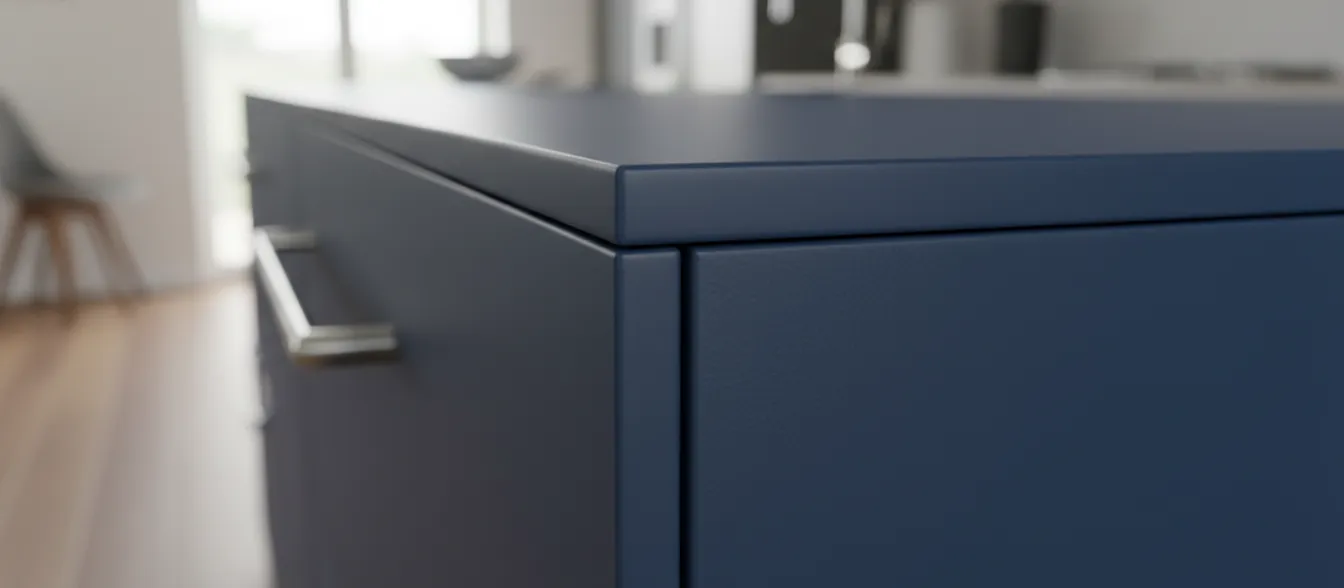
Because the material is highly moisture-resistant and chemically inert, PET cabinet doors do not warp, swell, or discolor easily. The material is typically applied to flat slab doors, often paired with matching laser or PUR edge-banding to create a seamless, monolithic appearance mimicking expensive lacquered finishes.
Wardrobe Panels and Furniture Surfacing:
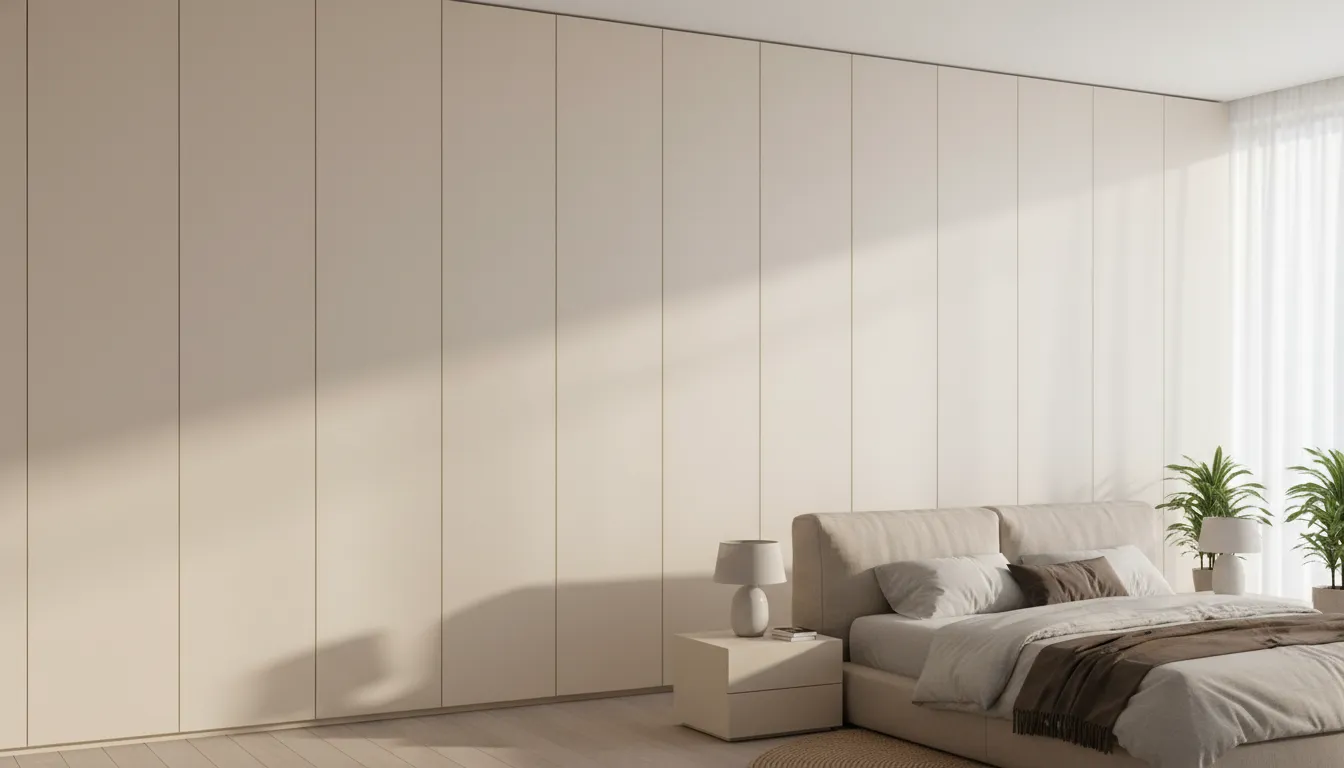
In bedroom and living room manufacturing, aesthetic appeal and large-format stability are paramount. PET laminate for wardrobe panels provides the necessary dimensional stability for tall, floor-to-ceiling doors that are prone to warping.
For general furniture surfacing, from media consoles to office desks, PET offers a soft-touch matte or mirror-like gloss finish that elevates the perceived value of the product. The material's flexibility also allows it to be used in profile wrapping for matching architectural moldings or cabinet trims.
PET Laminate for MDF / Plywood Core Panels:
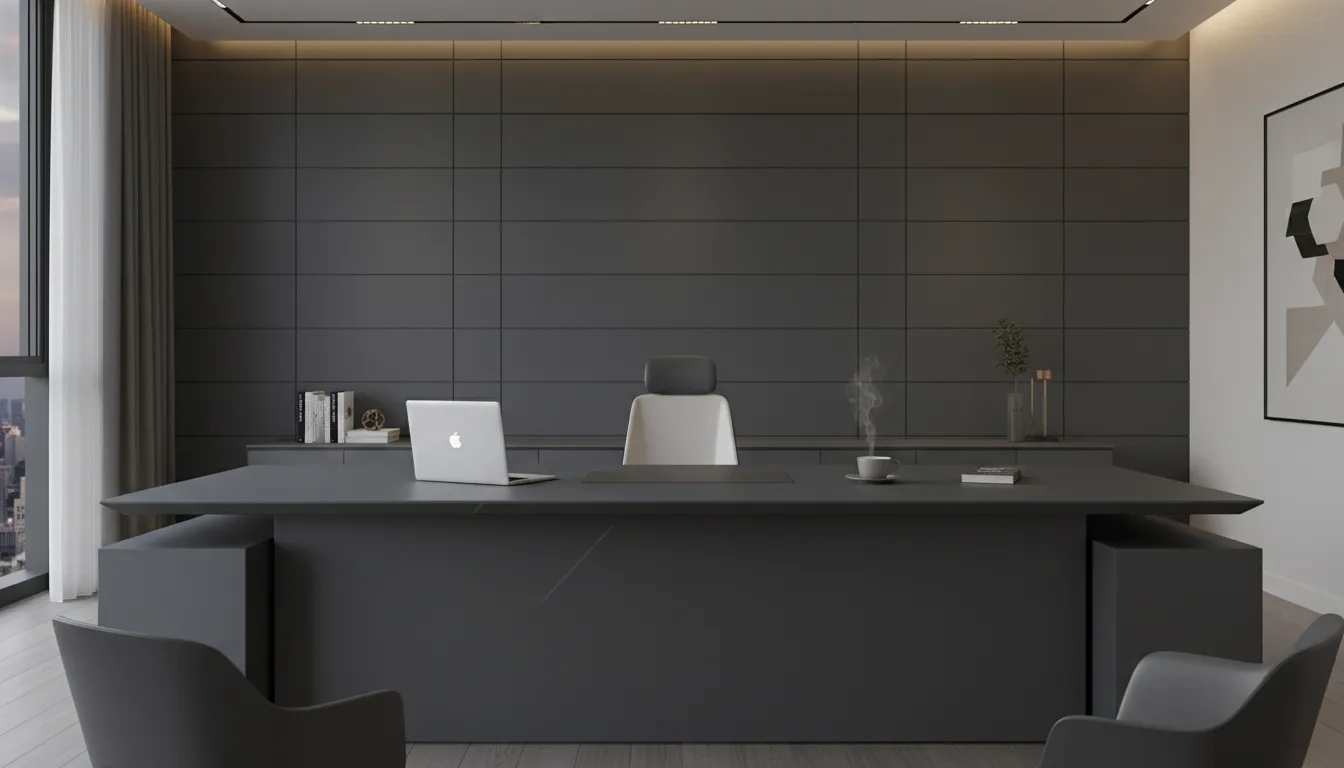
Board manufacturers often produce pre-laminated sheets for distribution to smaller millwork shops. Supplying PET laminate for MDF requires applying the film across large formats (typically 4x8 or 4x9 feet). These PET laminate panels for interior use serve as the raw material for wall cladding, acoustic panel facing, and retail fixture construction. Using a high-grade MDF or calibrated plywood core ensures the final architectural panels remain perfectly plumb and visually flat under directional lighting.
PET Laminate vs Other Surface Materials
To understand its market position, it is helpful to contrast PET with legacy materials:
- Versus PVC: While PVC is cheaper and easier to thermoform (3D wrap), it contains plasticizers and halogens. PET is ecologically cleaner, more UV stable (resists yellowing), and offers superior optical clarity.
- Versus Melamine: Melamine paper is cost-effective and highly scratch-resistant but is generally limited to textured or lower-sheen finishes. PET provides deep, ultra-matte or high-gloss finishes that melamine cannot structurally achieve.
- Versus Painted/Lacquered Panels: Paint requires immense labor, curing time, and factory floor space. PET lamination is a continuous, high-yield process that delivers the exact same visual result at a fraction of the production time.
Why PET Laminate Is Widely Used in Panel Production
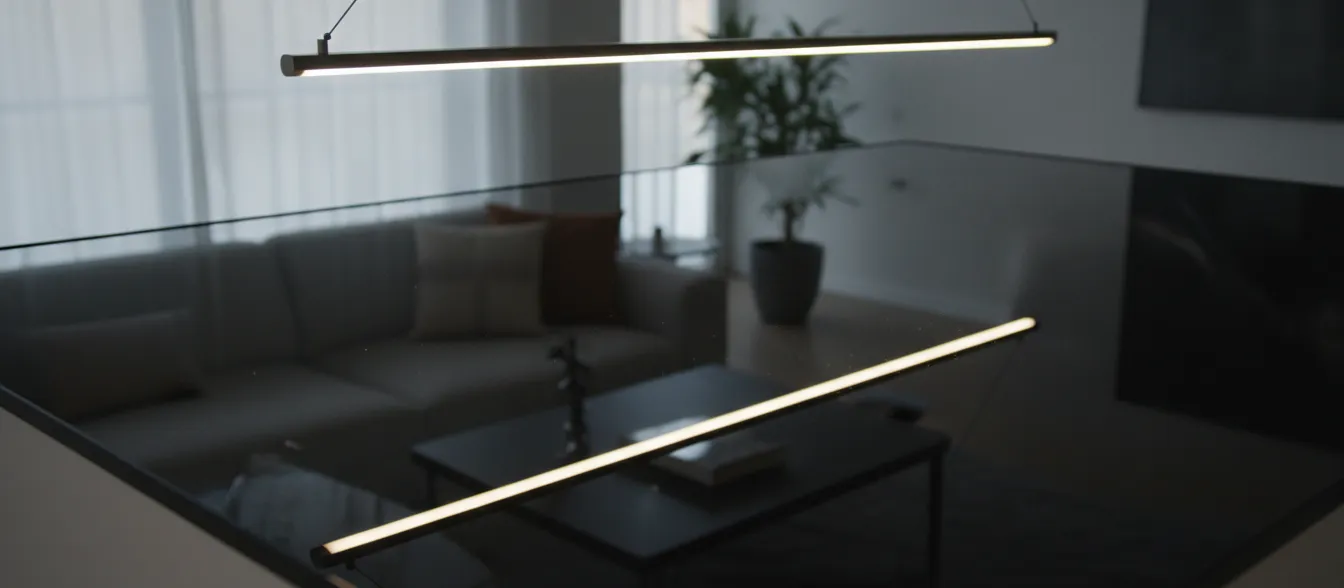
For large-scale panel processing, operational efficiency is just as important as the final product's appearance. PET laminate excels in flat-lamination environments. The rolls can be fed continuously into PUR laminating lines at high speeds.
The low defect rate of the film means fewer rejected panels at the end of the line, maximizing yield. Factory managers appreciate that working with decorative PET laminate eliminates the bottleneck of drying racks and spraying booths, allowing raw MDF to be transformed into a ready-to-ship, premium panel in a matter of minutes.
Choosing a Reliable PET Laminate Supplier
Integrating a new surface material into a high-volume panel production line requires strict risk management. The consistency of the raw PET roll directly impacts the factory's defect rate and the final product's field performance. When evaluating a PET laminate sheet supplier, specifiers and procurement teams must look beyond initial color selection and assess several critical manufacturing tolerances.
Key considerations include thickness uniformity, UV stability, and batch-to-batch color variance (Delta E). More importantly, the chemical formulation of the primer backing must be flawless. A compromised primer layer will fail to cross-link with PUR adhesives, leading to catastrophic delamination after the panel leaves the facility.
Partnering with an experienced, specialized supplier mitigates these production risks. WellP, as a dedicated manufacturer of PET and PP decorative films, engineers its surface solutions specifically to meet the rigorous physical demands of MDF board lamination and furniture manufacturing. By maintaining exact control over the extrusion, coating, and primer application processes, WellP provides board factories with the structural consistency required to maximize yield and eliminate surface defects during continuous flat-lamination operations.
FAQ Section
1. Can PET laminate for cabinets be 3D thermoformed over routed doors?
No. While PET is flexible enough for flat lamination and profile wrapping, it does not have the stretch characteristics required for deep 3D membrane pressing over routed MDF doors. It is strictly used for flat-panel applications.
2. What type of edge-banding is required for PET laminated panels?
To maintain a high-end look, manufacturers typically use matching ABS, PP, or PET edge-banding applied with PUR hot melt or zero-joint laser edge-banding technology to create a seamless transition from the face to the edge.
3. Does PET laminate require a specific type of MDF / plywood core?
For the best results, especially with high-gloss finishes, a premium, high-density MDF with an ultra-smooth, sanded face is required. Standard or coarse-core plywood will cause the wood grain texture to telegraph through the PET film, ruining the smooth finish.
Conclusion
The rapid adoption of PET laminate in panel manufacturing represents a fundamental shift toward surface materials that deliver measurable operational efficiency alongside high-end aesthetics. By providing a chemically stable, non-toxic, and mechanically durable alternative to legacy plastics and labor-intensive wet coatings, PET allows factories to scale production without compromising on quality. For furniture manufacturers, cabinet producers, and board distributors, fully integrating PET laminate systems—and securing a structurally consistent material supply—is a strategic necessity to remain competitive in the modern interior surfaces market.
 PUR Hot Melt vs EVA: Which Adhesive Works Better?