



 Home
HomeMinimalist Cream Style 2.0: The Evolution from Color to Texture in Interiors
 15 Apr,2026
The Paradigm Shift: Beyond the Palette
The interior design landscape is undergoing a silent but profound recalibration. For the past half-decade, the industry has been saturated with the "cream style"—a highly visual, highly photogenic aesthetic defined by sweeping curves, monochromatic beige palettes, and an overarching sense of visual softness. However, as this aesthetic matures, a critical pivot is occurring. The industry is moving away from a purely color-based understanding of this trend toward a haptic, material-driven approach.
Welcome to minimalist cream style 2.0.
This is not a rejection of the warm, soothing environments that consumers crave; rather, it is a sophisticated evolution. For interior designers, furniture manufacturers, and decorative material buyers, understanding how to upgrade cream style interior design means shifting the focus from the optical to the tactile. The future of this aesthetic relies entirely on advanced surface engineering and nuanced material application.
The Limitation of Traditional Color-Focused Minimalism
To understand the trajectory of cream style interior design trends, we must first analyze the structural flaws of its predecessor. The 1.0 iteration was defined almost exclusively by its color palette—ecru, ivory, warm white, and greige. While this created an immediate sense of calm in a space, it inherently lacked longevity and depth.
When flat colors are applied to generic, high-gloss, or standard melamine surfaces, the resulting environment quickly reads as sterile, synthetic, or institutional. Without the interplay of shadows and the absorption of light, a purely color-matched room feels two-dimensional. The modern consumer's eye has grown fatigued by these hyper-smooth, visually flat spaces. The realization has set in: a warm palette applied to a cold, artificial-feeling surface creates an irreconcilable sensory disconnect. The 1.0 aesthetic looked beautiful through a camera lens but often felt hollow to the touch.
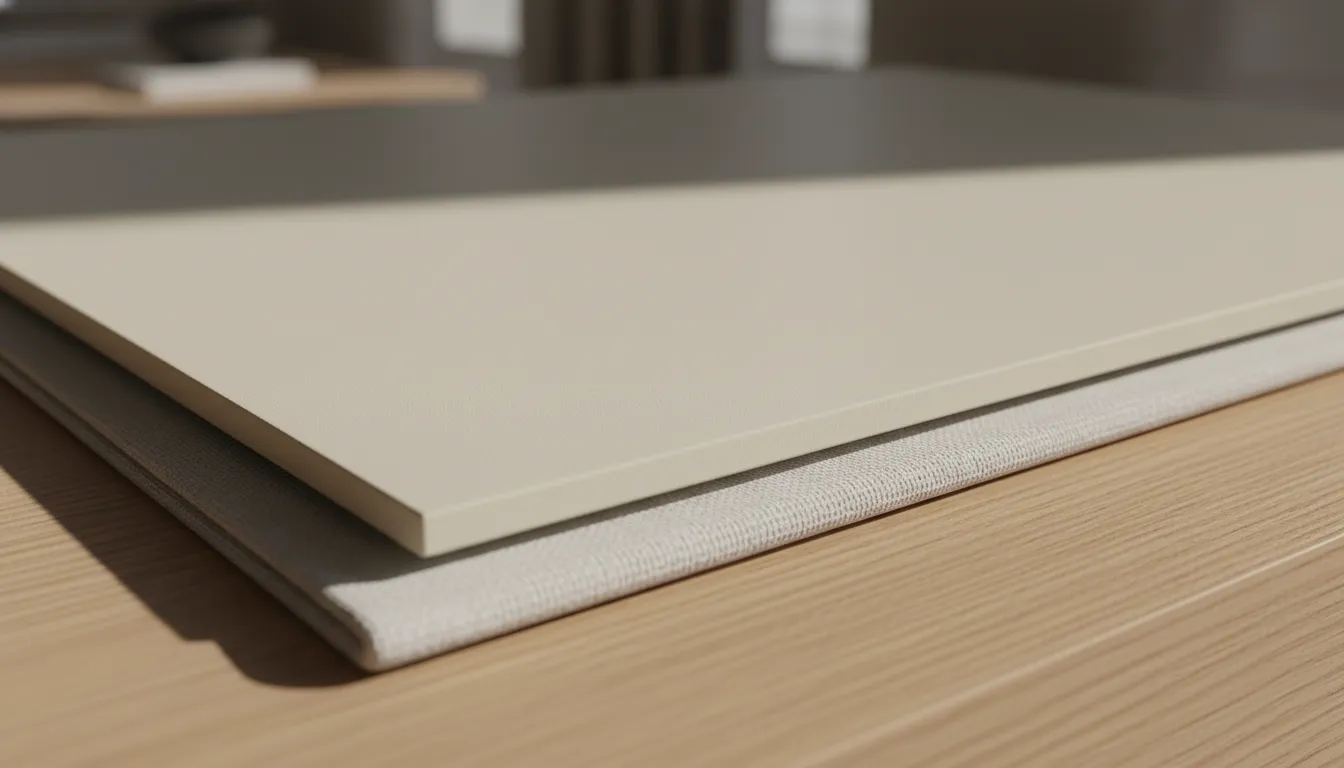
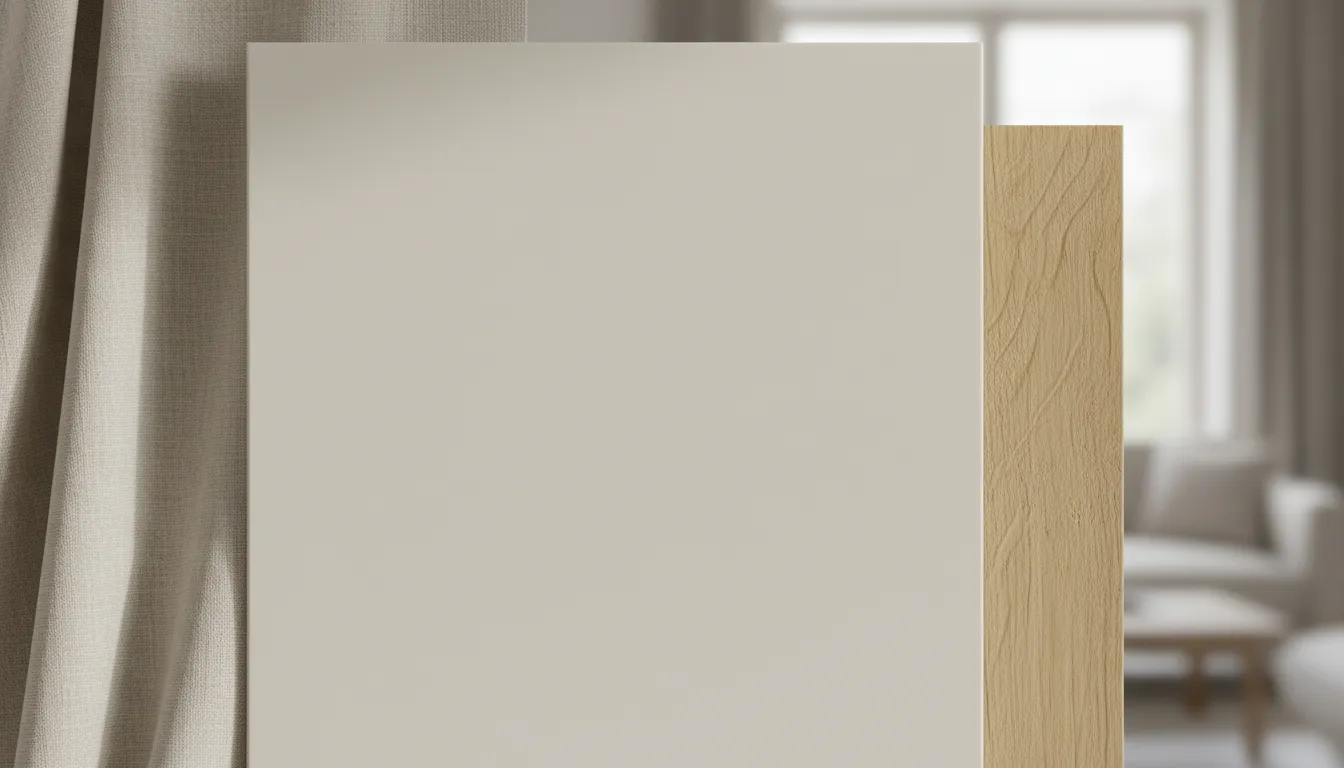
The Shift Toward Sensory and Tactile Interiors
The remedy to this spatial flatness is the defining characteristic of a soft minimalism interior: haptic engagement. We are entering an era where texture is undeniably more important than color.
In a digitally saturated world, physical spaces are increasingly tasked with grounding the human experience. This psychological shift dictates that materials must feel as soothing as they look. Tactile interior materials are no longer secondary considerations; they are the primary architects of atmosphere. A warm neutral interior design only succeeds when the surfaces within it—from the sweeping wardrobe doors to the kitchen cabinetry—absorb ambient light rather than aggressively reflecting it.
This sensory shift demands a departure from standard industrial finishes. The market is aggressively rejecting high-glare, plastic-feeling surfaces in favor of materials that evoke the organic, the porous, and the meticulously crafted.
Key Surface Directions: Ultra Matte, Soft-Touch, and Low-Gloss
Translating this haptic demand into tangible product lines requires a mastery of gloss levels and micro-textures. As we project into decorative panel trends 2026, three specific surface directions are dominating the high-end residential and commercial sectors:
1. Ultra Matte Interior Finishes:
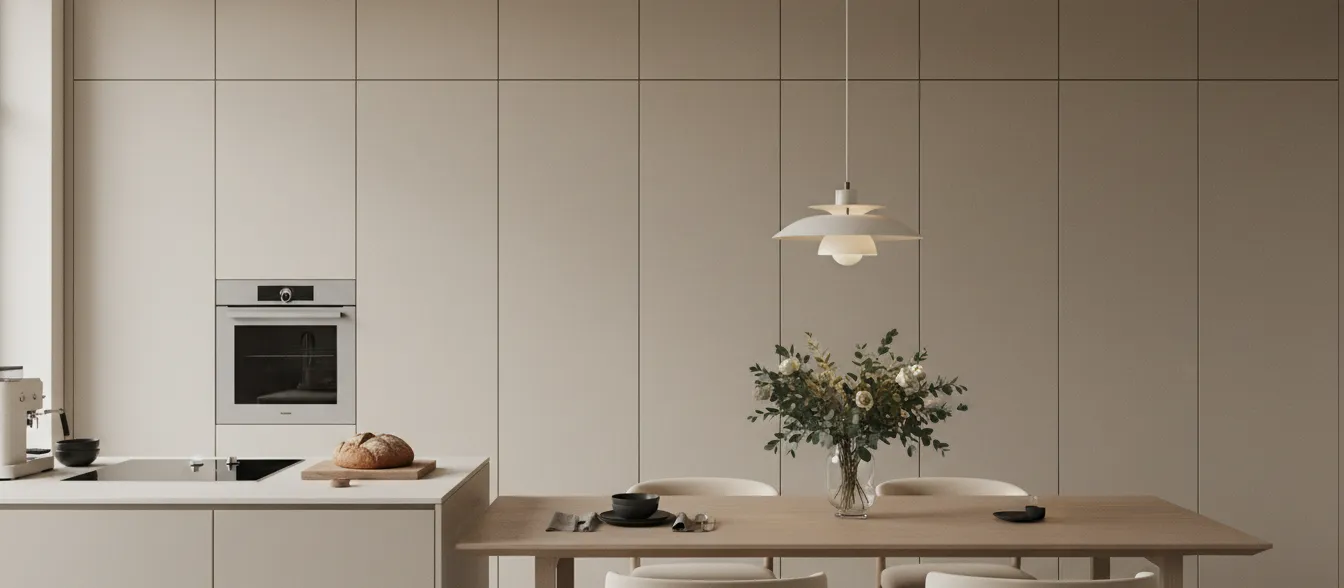
The true modern cream aesthetic interior relies on surfaces with an incredibly low light reflectance value (LRV). Ultra-matte finishes absorb light, creating a velvety, infinite depth that softens the geometry of modern cabinetry. By eliminating glare, these finishes allow the subtle undertones of cream and beige to read authentically, without the color distortion caused by light bouncing off a glossy topcoat.
2. The Soft-Touch Experience:
Visual softness must be validated by physical softness. Surfaces treated with soft-touch technology provide a tactile resistance that mimics fine suede or honed stone. A modern cream interior with soft touch surfaces elevates the perceived value of the furniture instantly. When a consumer runs their hand across a wardrobe panel, the warm, yielding sensation communicates luxury far more effectively than color ever could.
3. Micro-Textured Surface Finishes:
We are moving beyond entirely smooth planes. The newest iterations of decorative films incorporate microscopic texturing—subtle stippling or organic graining that is nearly imperceptible from a distance but deeply engaging up close. This micro-texture breaks up the monotony of large panel applications, adding vital architectural interest.
Material Layering and Subtle Contrast in Modern Casework
In the absence of bold color contrasts, minimalist cream style 2.0 relies on material layering. Designers are achieving depth by juxtaposing materials with identical color values but distinct gloss and texture profiles.
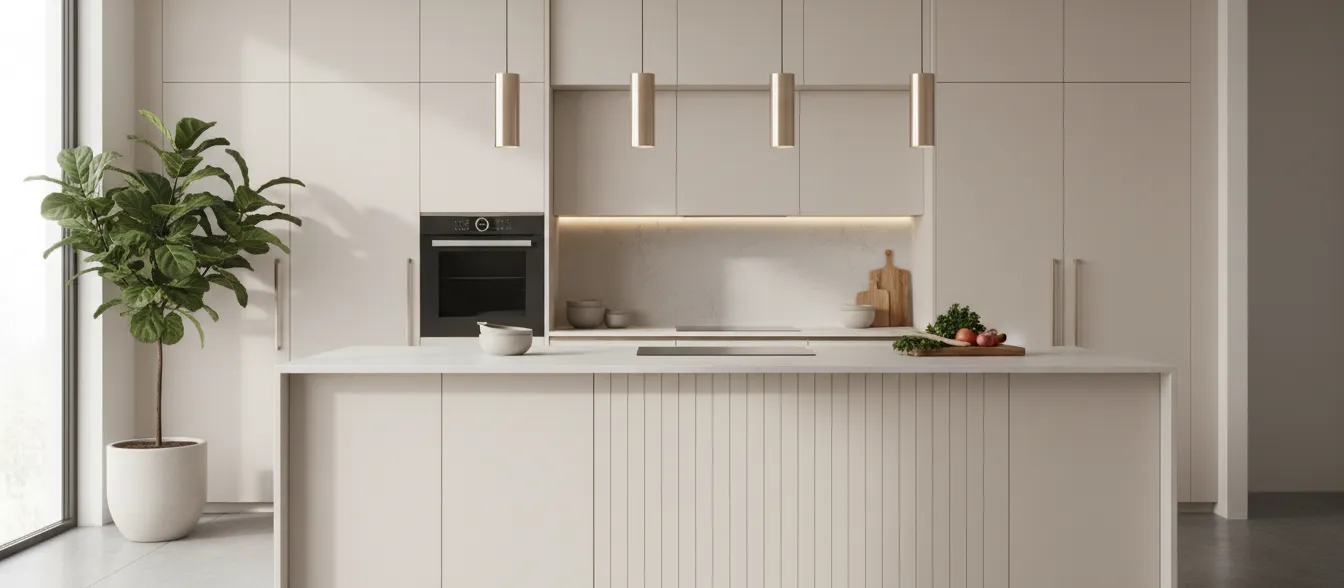
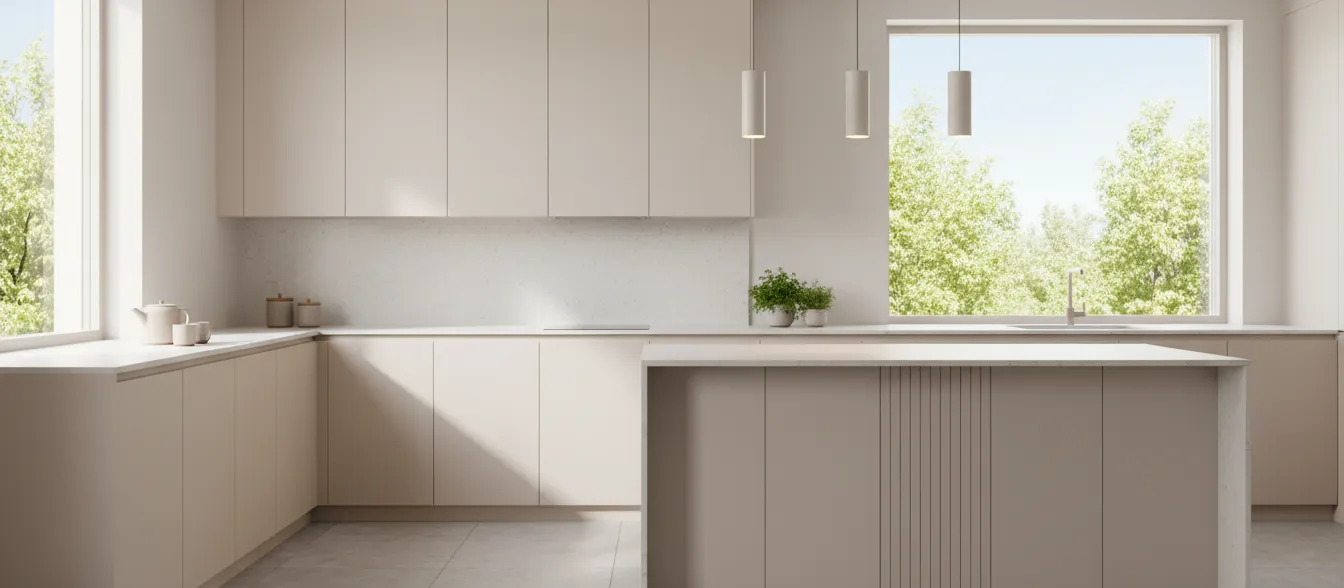
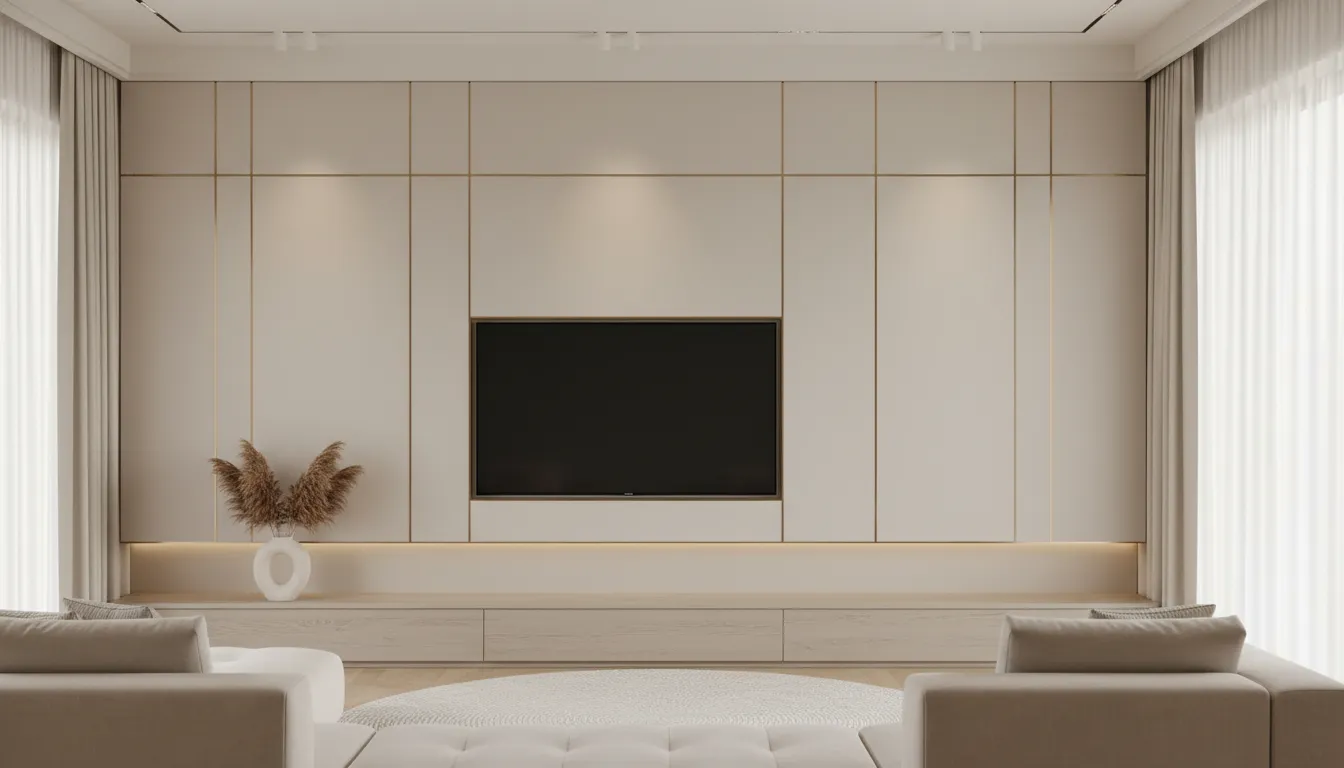
Imagine a kitchen where the upper cabinets utilize a hyper-smooth, ultra-matte PET film, while the lower cabinets feature a micro-fluted or softly textured surface in the exact same cream tone. The contrast is entirely haptic and light-dependent. This sophisticated layering requires an ecosystem of interior surface material solutions that are perfectly color-matched but structurally distinct. For cabinet producers, offering a coordinated suite of varying textures within a single color family is becoming a non-negotiable requirement for servicing high-end design projects.
Application in Furniture: Cabinets, Wardrobes, and Large Panels
The true test of these textured surface finishes lies in large-scale applications. Cabinet surface finishes trends dictate that the kitchen and the bedroom wardrobe are the primary canvases for this aesthetic evolution.
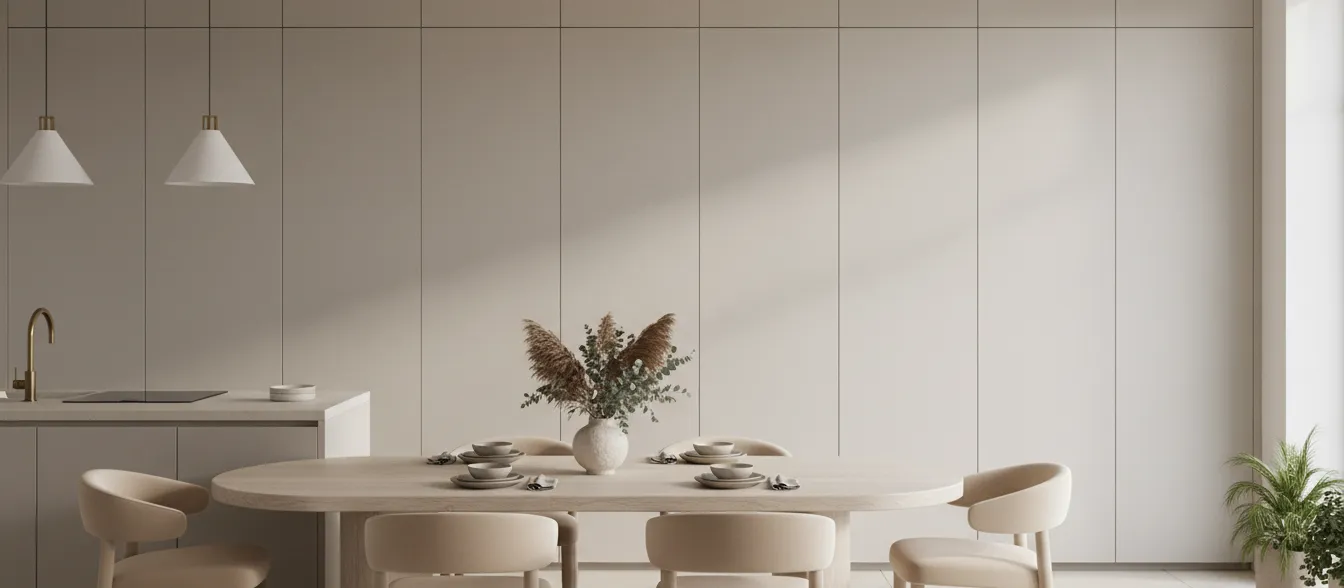
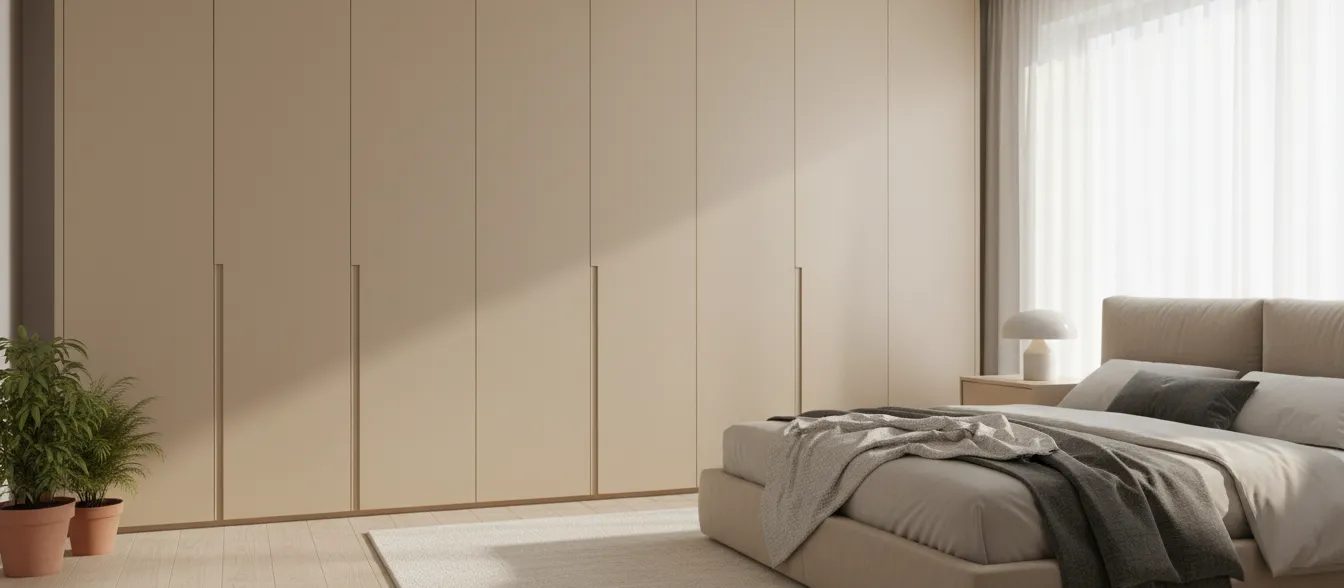
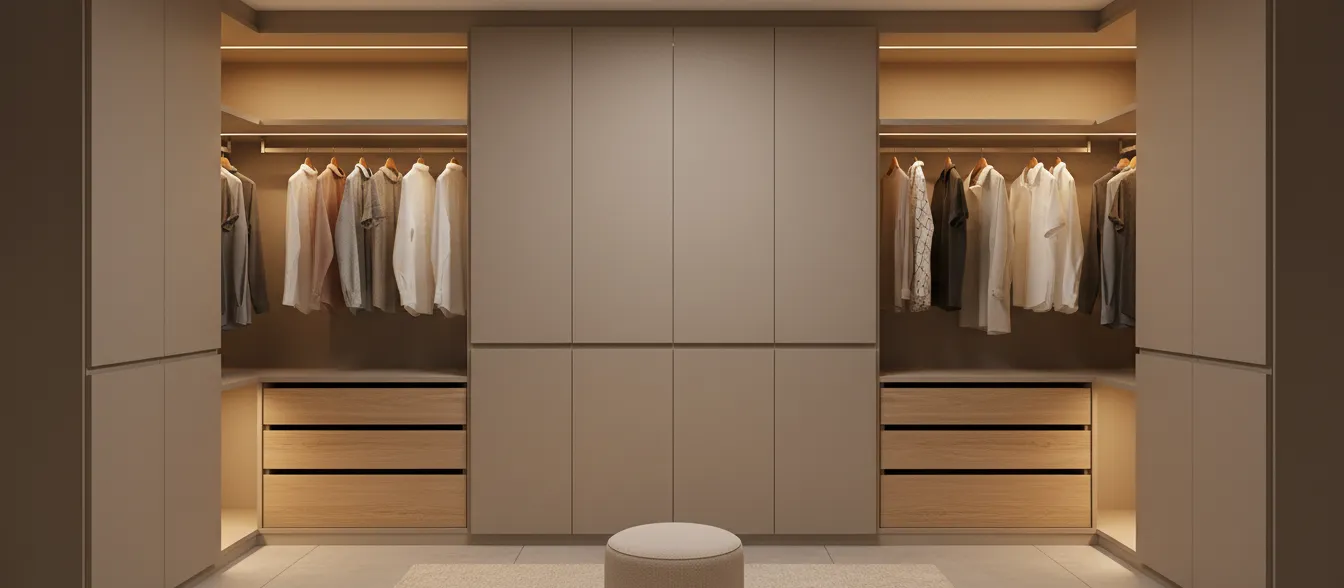
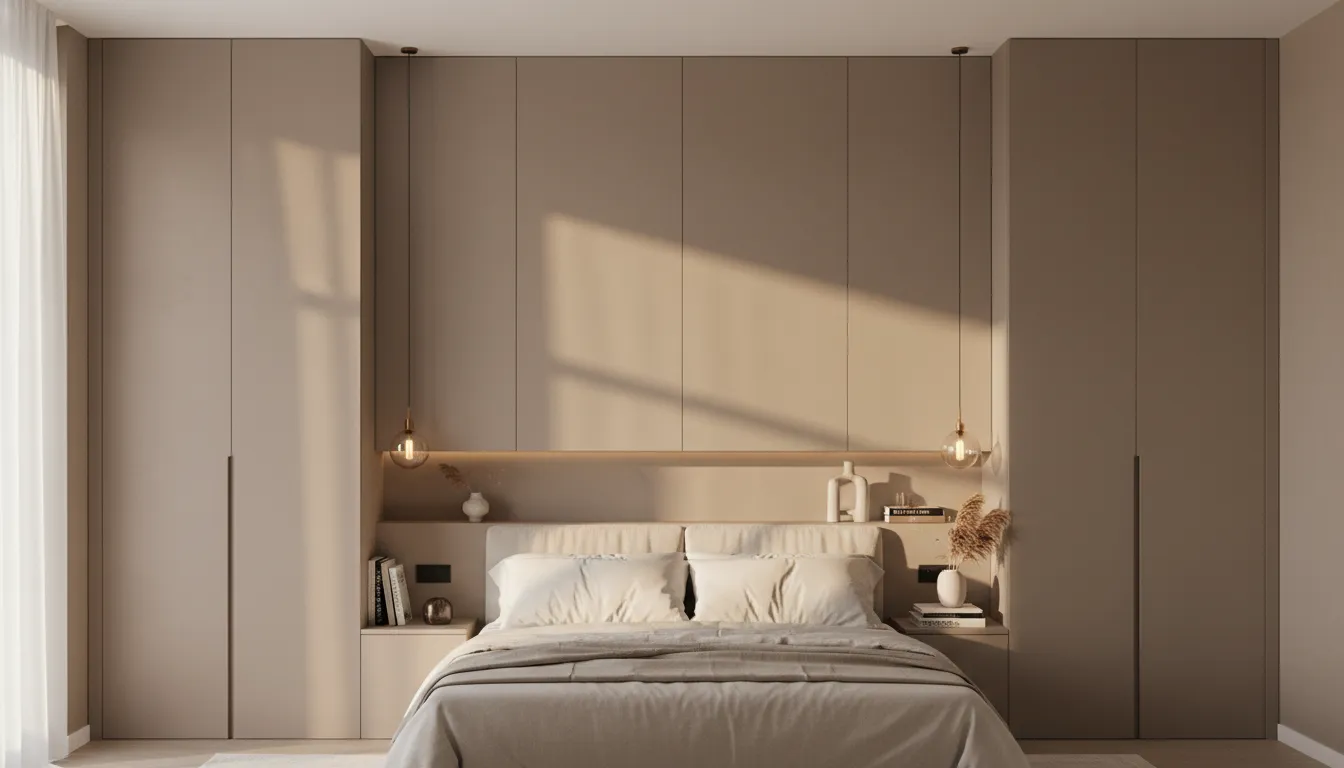
In wardrobe panel finishes 2026, the trend is moving toward floor-to-ceiling, monolithic slab doors. Because these panels occupy massive visual real estate, any flaw, glare, or artificiality in the finish is magnified. Here, high-end cream style furniture finishes must perform flawlessly. They must remain perfectly matte, resist fingerprints (a critical functional requirement for touch-heavy surfaces), and maintain absolute color consistency across broad expanses.
Furniture manufacturers must recognize that the tactile quality of a cabinet door is often the decisive factor in a consumer's purchasing journey. It is the primary point of physical contact; therefore, the surface material is the product.
How Surface Materials Enable This Aesthetic
This brings us to the critical intersection of design theory and manufacturing reality. The best surface materials for cream style furniture are not merely paints or basic laminates—they are highly engineered decorative films.
Achieving the delicate balance of ultra-matte optics, soft-touch haptics, and daily durability is a feat of material science. This is where advanced PET (Polyethylene Terephthalate) films have revolutionized the industry. Unlike traditional PVC or melamine, high-grade PET films can be engineered at a microscopic level to control light diffusion and tactile feedback without compromising on environmental safety or scratch resistance.
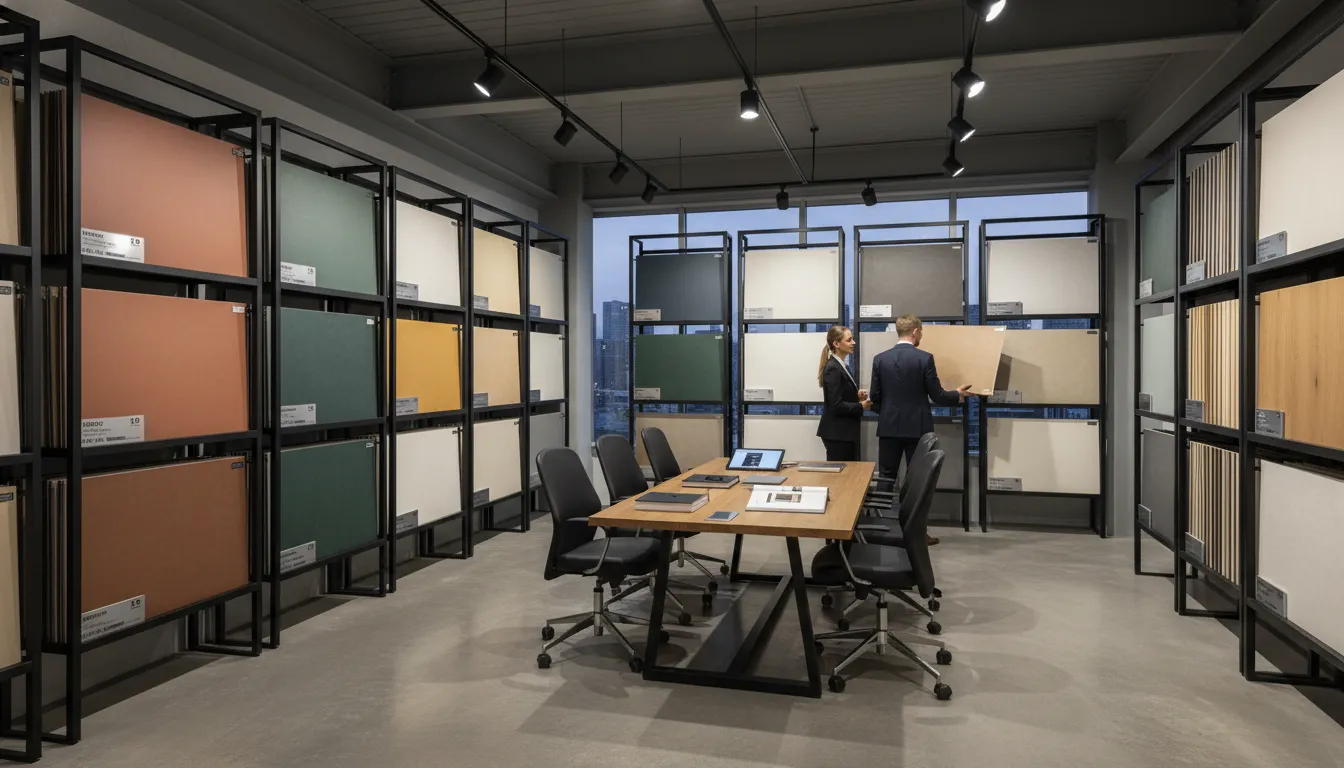
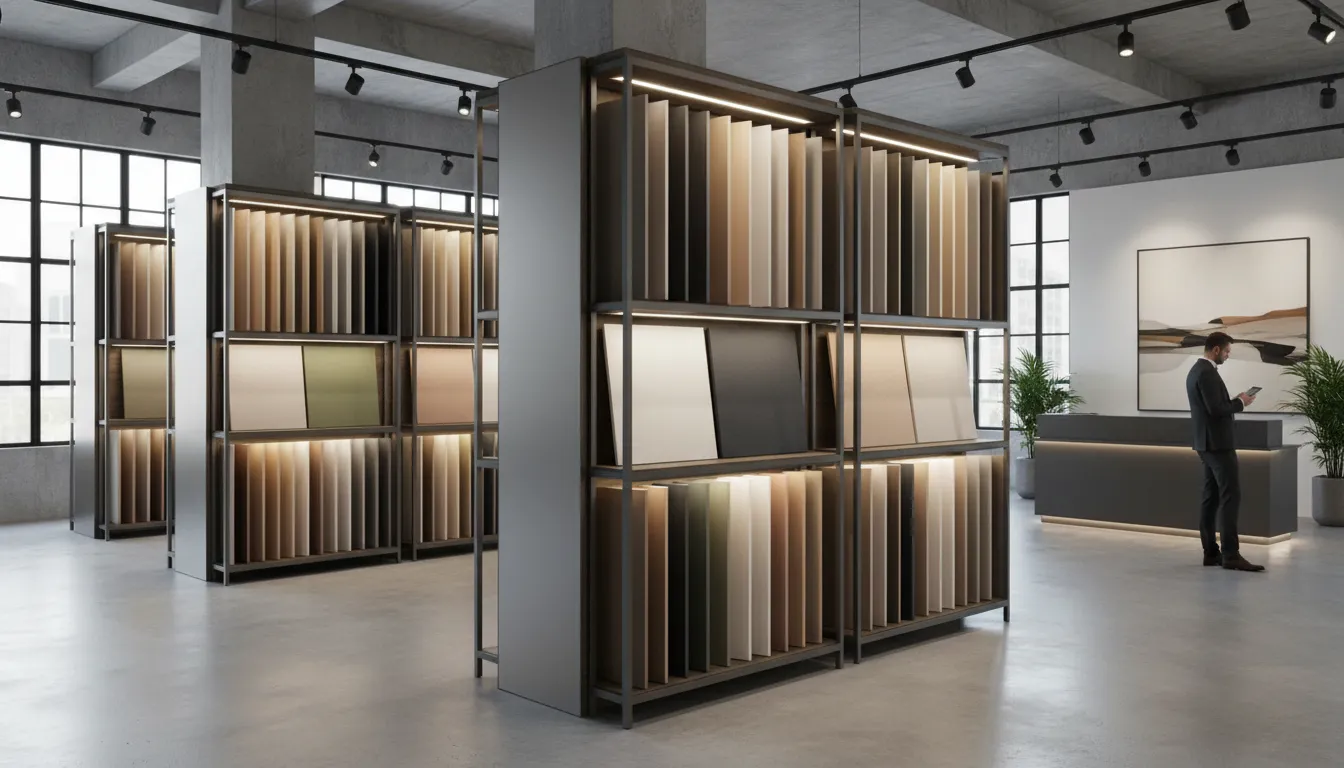
For manufacturers seeking to capitalize on this movement, partnering with an innovative decorative film manufacturer is the most critical supply chain decision. WellP, for instance, specializes in providing the exact interior surface material solutions that define this 2.0 era. By engineering PET decorative films that master the ultra-matte and soft-touch requirements, WellP bridges the gap between high-end design intent and scalable furniture production. When an entire aesthetic relies on how a surface interacts with light and touch, the quality of the decorative film is the absolute foundation of the final product.
Practical Insights for Manufacturers and Designers
To successfully integrate furniture surface materials trends into upcoming product lines, B2B stakeholders must navigate several technical considerations:
1. Sourcing and Consistency:
The subtlety of warm neutral interior design leaves no room for batch-to-batch color variation. Manufacturers must utilize a soft touch PET film supplier capable of absolute chromatic precision. When a design relies on monochromatic layering, even a slight shift in undertone between a cabinet door and an end panel will ruin the aesthetic.
2. Anti-Fingerprint Technology:
A soft-touch or ultra-matte surface is useless if it highlights natural skin oils. When specifying materials, buyers must ensure the surface features advanced anti-fingerprint (AFP) coatings. This ensures the tactile beauty of the furniture does not degrade with everyday use.
3. Edge-Banding Synergy:
The illusion of a monolithic, high-end block of color is shattered by poorly matched edge-banding. Furniture manufacturers must work closely with their furniture surface supplier to ensure seamless edge-banding solutions that match not just the color, but the specific gloss level and haptic feel of the primary surface film.
4. Scalable Luxury:
The ultimate goal for cabinet producers is democratizing this high-end aesthetic. By utilizing engineered PET films rather than artisanal lacquers or fragile veneers, manufacturers can achieve the sophisticated look and feel of bespoke casework at a scale and consistency suitable for widespread commercial and residential distribution.
The New Architecture of Touch
The evolution to minimalist cream style 2.0 proves that the industry has outgrown visual superficiality. We have entered a design epoch where the eye is easily deceived, but the hand is not. Tactile surfaces are no longer just a finishing touch; they are the core architectural elements that define the emotional resonance of a space.
For the modern B2B landscape, the implication is clear: color can be replicated by anyone, but engineered texture is where true value is built. Surface materials are now the ultimate differentiator, separating disposable trends from enduring, high-value interior solutions.
 Troubleshooting Guide: Resolving Whitening Defects in PP Film Membrane Pressing