


 Home
HomeThe Shift Away from PVC: A Structural Change in Surface Materials
 01 Apr,2026
For decades, the furniture and panel manufacturing sectors relied heavily on legacy chlorinated plastics to meet volume demands. Today, that baseline is actively fracturing. The debate comparing polyethylene terephthalate vs polyvinyl chloride is no longer a theoretical discussion reserved for sustainability summits; it has become a fundamental factor in supply chain viability. Manufacturers, sourcing managers, and large-scale distributors are aggressively restructuring their procurement strategies to phase out outdated polymers.
Identifying a commercially viable, high-performance PVC alternative material is now a critical prerequisite for maintaining market access, particularly as global regulatory frameworks tighten. This transformation is not a cyclical trend. It represents a permanent realignment in how decorative surfaces are sourced, applied, and marketed to end consumers.
What Is Driving the Move from PVC to PET
The catalyst for this material pivot stems from a convergence of legislative action, shifting corporate ESG (Environmental, Social, and Governance) mandates, and evolving buyer expectations. European and North American markets are actively penalizing the use of heavily plasticized materials through taxation, restricted disposal avenues, and stringent indoor air quality certifications.
At the enterprise level, large-scale commercial developers and major furniture retailers are dictating new terms to their upstream suppliers. These entities require verifiable eco-friendly surface materials to meet their own carbon reduction and sustainability pledges. The environmental impact of PVC vs PET decorative film presents a stark contrast that procurement boards can no longer ignore.
Polyvinyl chloride relies on chlorine chemistry and requires phthalates to achieve the flexibility necessary for profile wrapping and membrane pressing. These chemical additives complicate end-of-life disposal, often rendering the material entirely unrecyclable or toxic upon incineration. Conversely, PET is globally recognized as a highly recyclable, inert polymer. As Extended Producer Responsibility (EPR) regulations force brands to account for the entire lifecycle of their products, the economic liability of utilizing legacy chlorinated plastics is rapidly outweighing their historical cost advantages.
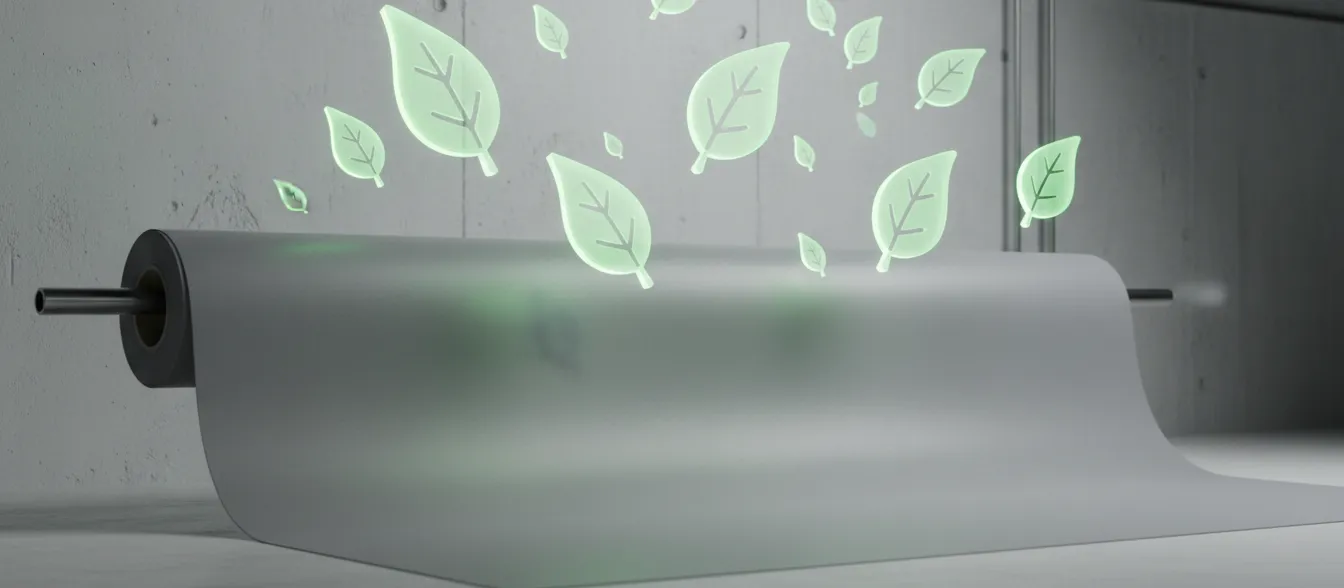
Material Reality: PET vs PVC in Practical Applications
Moving past the macroeconomic drivers, the operational reality on the factory floor reinforces the transition. When analyzing the differences between PET and PVC decorative films, the focus shifts toward performance stability, optical fidelity, and long-term asset protection.
In high-traffic environments such as kitchens, healthcare facilities, and commercial office spaces, the surface material dictates the lifespan of the underlying engineered board. Both polymers can achieve similar aesthetic finishes—from high-gloss solids to super-matte soft-touch textures—but their chemical structures dictate vastly different performance trajectories over a five-to-ten-year horizon. Understanding these trajectories is essential for cabinet producers and MDF board factories evaluating their next-generation product lines.
Where PVC Falls Short in Modern Manufacturing
The fundamental limitations of legacy vinyl become apparent when exposed to the rigors of modern interior environments. Sourcing managers frequently grapple with the long-term degradation of chlorinated surface finishes. A common inquiry during material audits is: does PET film fade over time compared to PVC?
Empirical data and field performance consistently highlight PVC's vulnerability to ultraviolet degradation. The plasticizers that give vinyl its initial flexibility are unstable; they migrate and break down upon prolonged exposure to ambient sunlight, resulting in severe yellowing, embrittlement, and eventual delamination. This photochemical degradation leads to costly warranty claims and damages brand equity.
Beyond optical failures, the off-gassing of volatile organic compounds (VOCs) from plasticized vinyl poses a significant barrier to entry in health-conscious markets. As consumers and institutional buyers prioritize indoor air quality, materials that emit chemical odors or degrade indoor environments are being systematically disqualified from procurement contracts.
Why PET Aligns with Future Furniture Production
The superior chemical stability of polyethylene terephthalate directly addresses the structural failures of legacy plastics, clearly answering why is PET better than PVC for furniture. PET contains no phthalate plasticizers. It achieves flexibility and impact resistance through its inherent polymer structure, meaning it remains dimensionally stable and optically clear regardless of UV exposure.
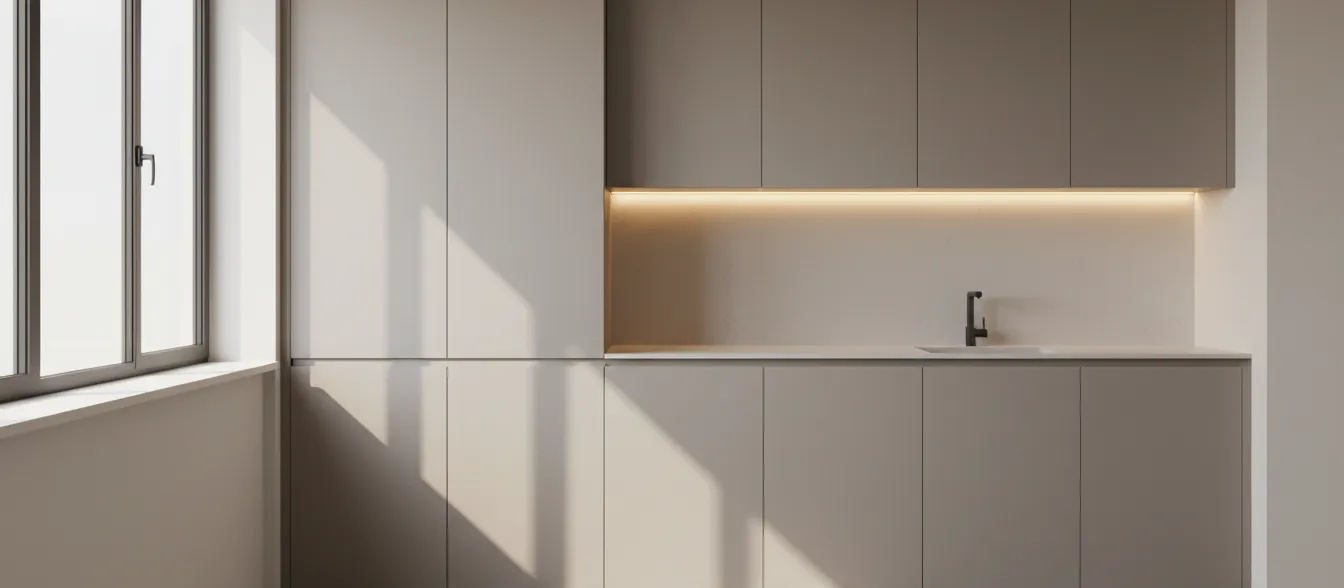
This inert nature answers another critical industry question: is PET film safe for kitchen cabinets? Because it is fundamentally food-safe, completely free of heavy metals, and emits zero VOCs, PET clears the most stringent indoor air quality certifications globally. This safety profile has triggered a massive spike in demand for PVC-free cabinet doors wholesale, as kitchen manufacturers leverage the health-conscious properties of the material to capture premium market segments.
For engineered board factories, the advantages of PET laminated MDF boards represent a significant value-add. The density and chemical resistance of PET provide an impenetrable barrier over the MDF core, drastically reducing moisture ingress and subsequent board swelling. The resulting panels machine cleaner on CNC routers, yielding precise edges without the micro-fracturing common to aged vinyl.
What This Shift Means for Manufacturers
The transition dictates a proactive overhaul of existing product portfolios. Furniture manufacturers relying on legacy materials face the immediate risk of product obsolescence as major retail buyers update their compliance standards.
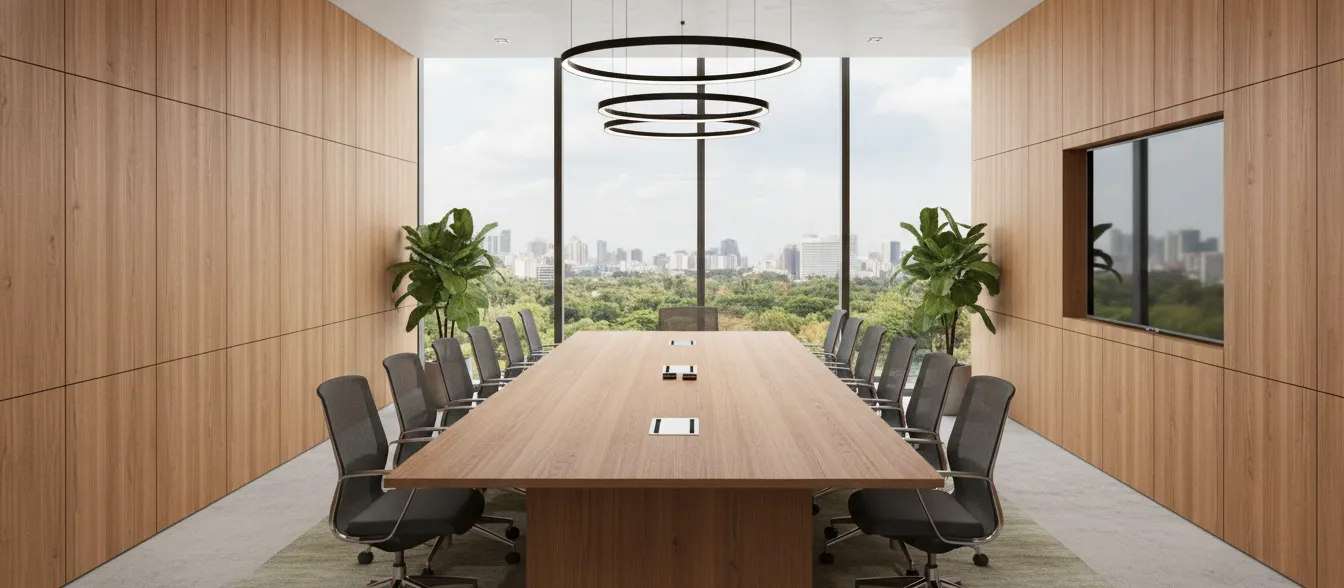
Upgrading surface specifications allows manufacturers to reposition their product tiers. By integrating bulk eco-friendly decorative panels into their offerings, factories can target institutional projects, green building developments, and premium residential markets that were previously inaccessible. Procurement teams must recalculate total cost of ownership, recognizing that while the raw material cost of PET may occasionally carry a marginal premium over commodity vinyl, the reduction in defect rates, warranty claims, and disposal liabilities yields a highly favorable net return.
How to Transition from PVC to PET Surface Materials
Executing a material change across established production lines requires strategic planning to prevent supply chain disruption. Learning how to transition from PVC to PET surface materials involves a phased approach rather than an abrupt cutoff.
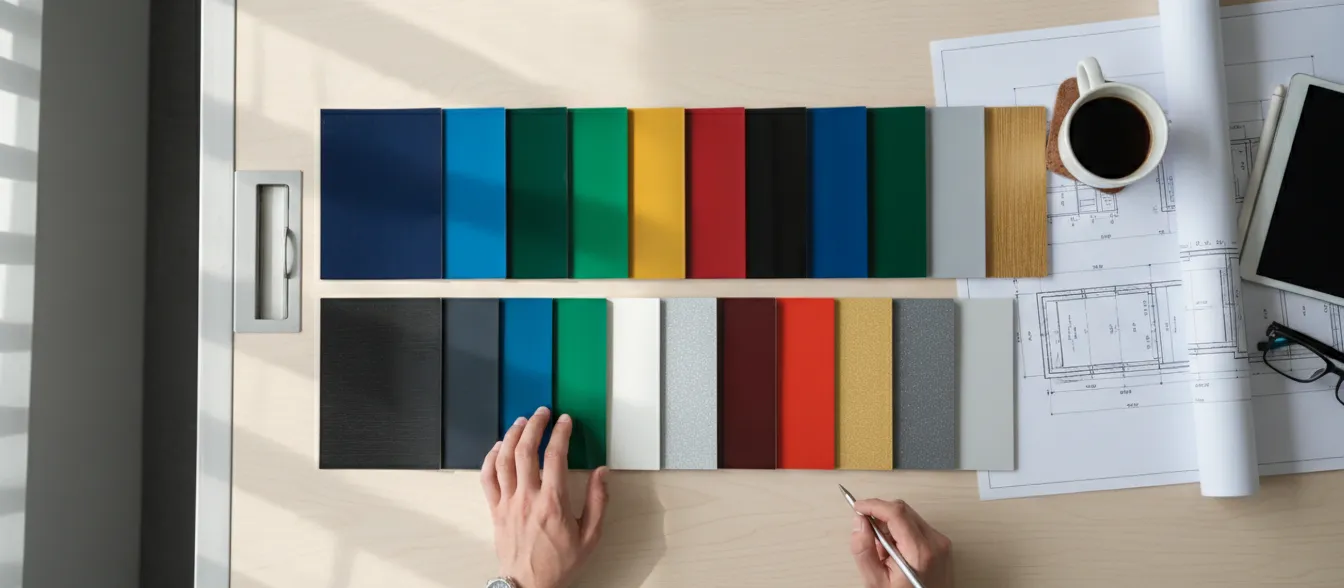
First, factories should audit their existing inventory and isolate product lines that suffer from the highest warranty claims—typically high-gloss white finishes or surfaces exposed to direct sunlight. These lines are prime candidates for immediate transition. Sourcing teams should then begin evaluating wholesale PET film for furniture applications, running localized pilot programs to calibrate their machinery to the new material.
Simultaneously, for operations lacking in-house flat lamination capabilities, a highly efficient transitional strategy involves outsourcing the substrate integration. Facilities can buy PET laminated MDF boards directly, allowing them to immediately offer finished, eco-friendly components without investing in new pressing or extrusion infrastructure. Gradually, as downstream distributors accept the upgraded specifications, the factory can phase out its chlorinated plastic inventory entirely.
Supply Chain Considerations
The success of this material transition is entirely dependent on supply chain architecture. Identifying a reliable PET surface materials supplier is the most critical variable in the equation. The extrusion and calendering of optical-grade PET require sophisticated manufacturing environments and precise thermal controls to ensure color consistency and prevent surface defects.
Procurement directors must vet partners based on their vertical integration, capacity for scale, and commitment to material purity. Working directly with a specialized PET decorative film manufacturer ensures that the precise tolerances required for automated manufacturing are consistently met.
This is the operational benchmark established by WellP. As a dedicated manufacturer of PET and PP decorative films and panel materials, WellP provides the localized supply chain stability required by global furniture and cabinet producers. By offering high-fidelity eco-friendly surface solutions, WellP enables factories to execute their material transition seamlessly, ensuring continuous access to premium, non-toxic films and finished panels that meet the rigorous demands of modern interior applications.
PET as the New Industry Standard
The debate surrounding PET vs PVC has concluded. The interior design and panel manufacturing sectors are actively purging legacy chlorinated plastics from their supply chains. Driven by uncompromising environmental legislation, consumer demand for non-toxic interiors, and the superior optical and physical longevity of modern polymers, PET has secured its position as the definitive industry standard. Manufacturers that proactively align their procurement strategies with this reality will secure their market share, while those delaying the transition will inevitably face shrinking demand and escalating compliance barriers.
 2026 Global Home Color Trends Report