


 Home
HomeThe Future of Interior Doors: Why PET Film Is Gaining Popularity
 16 Dec,2025
Interior doors have long been treated as a functional necessity—quietly doing their job while walls, furniture, and lighting take center stage. That mindset is changing. Today, doors are increasingly seen as integral design elements, expected to deliver refined aesthetics, long-term durability, and environmental responsibility all at once.
This shift in expectations is driving a clear material trend across global markets: PET decorative film is becoming one of the most trusted surface solutions for modern interior doors.
A New Era for Interior Door Design
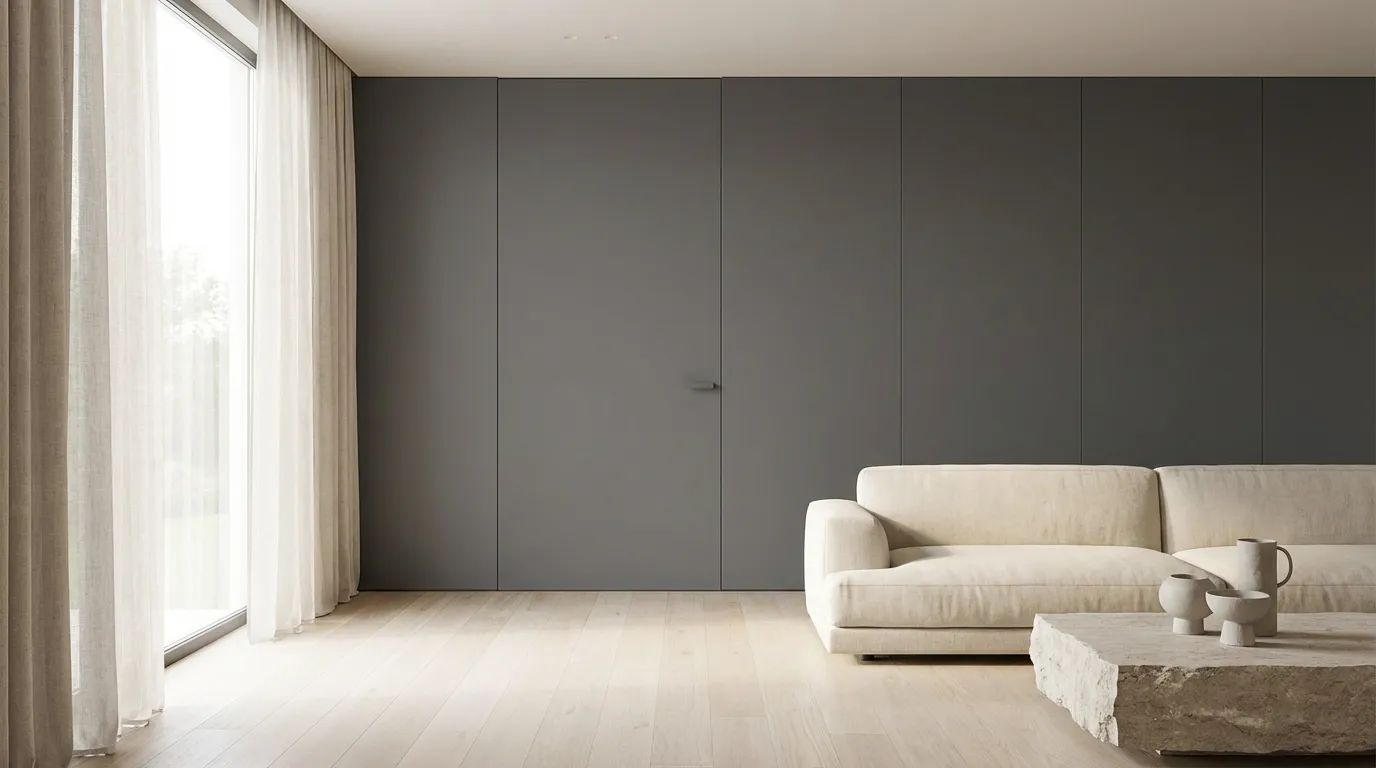
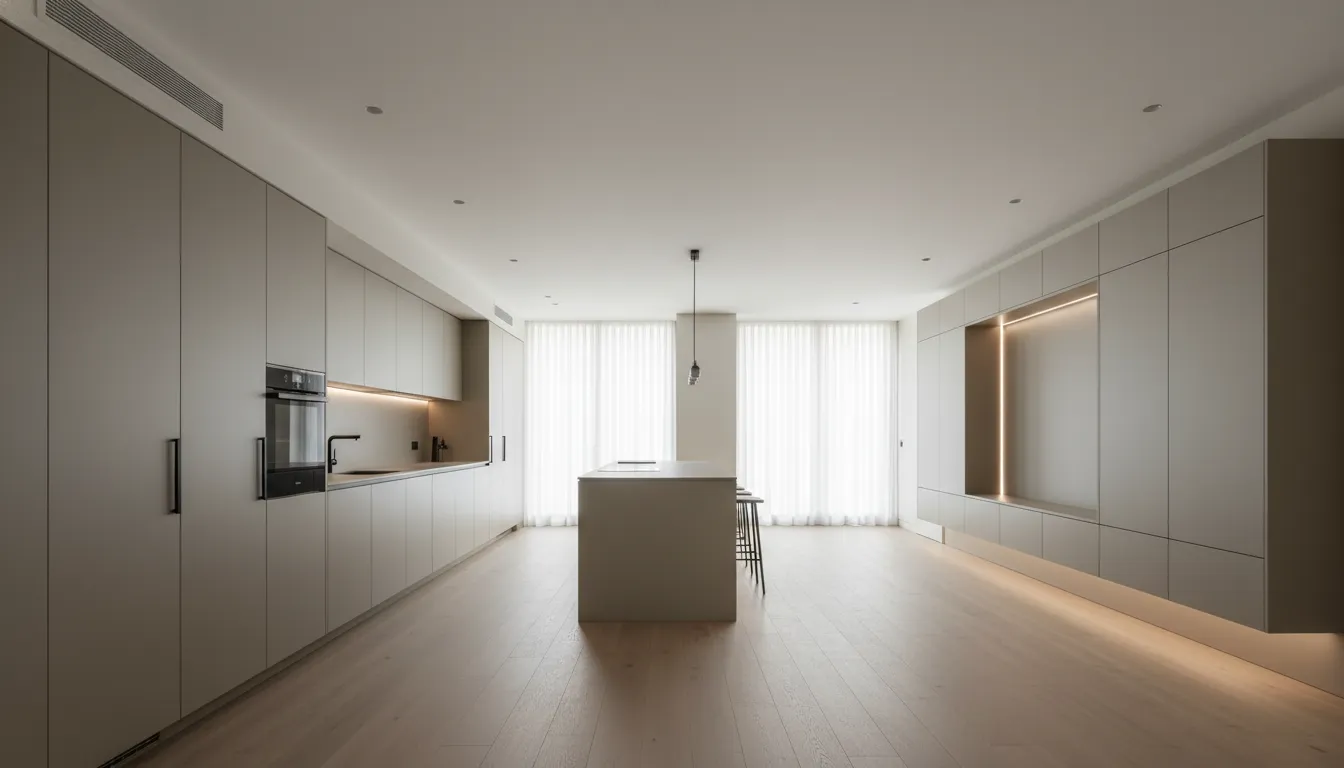
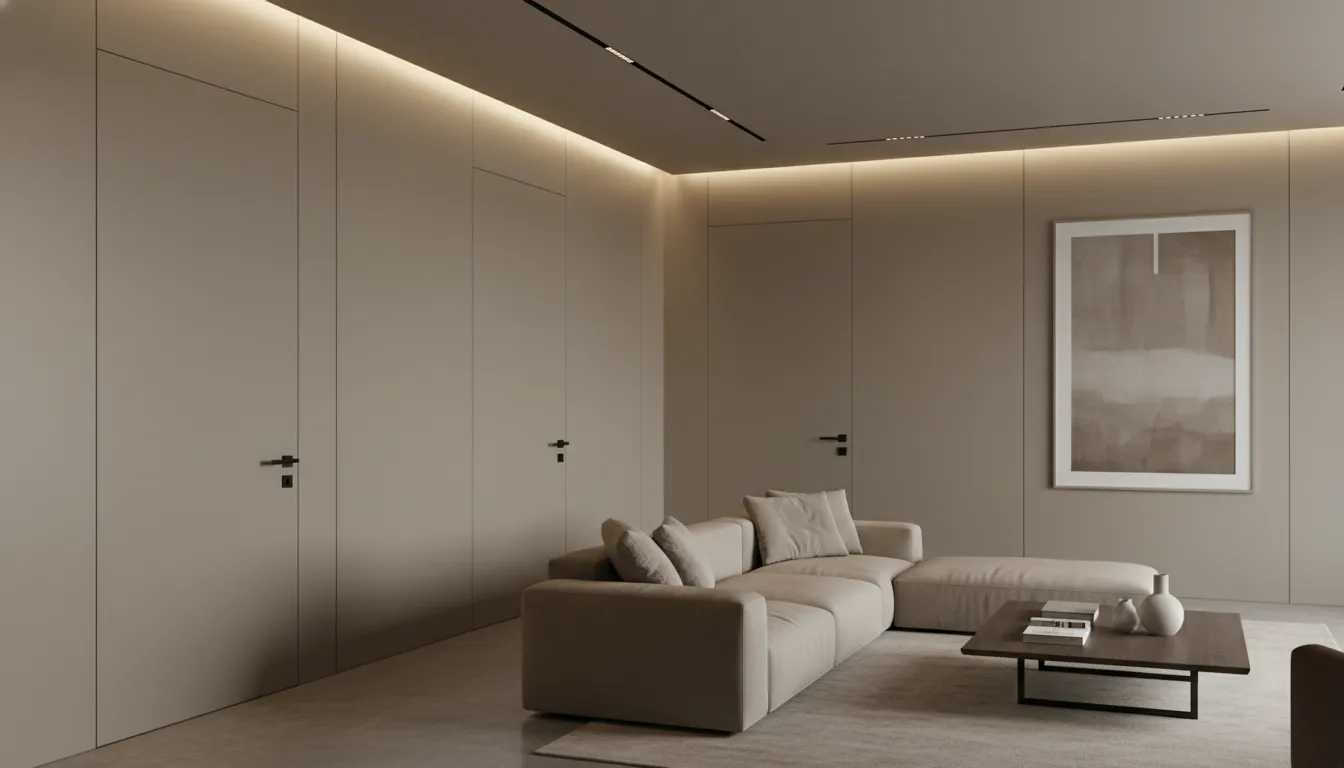
Contemporary interiors favor continuity, calm surfaces, and material honesty. Flush doors, hidden doors, and full-height door systems are now common in residential and commercial projects alike. These designs demand surface materials that are:
- Visually consistent across large areas
- Resistant to daily wear and touch
- Easy to maintain over time
- Environmentally responsible
Traditional finishes such as paint, veneer, or PVC often struggle to meet all these requirements simultaneously. PET film, by contrast, was developed precisely to answer these evolving demands.
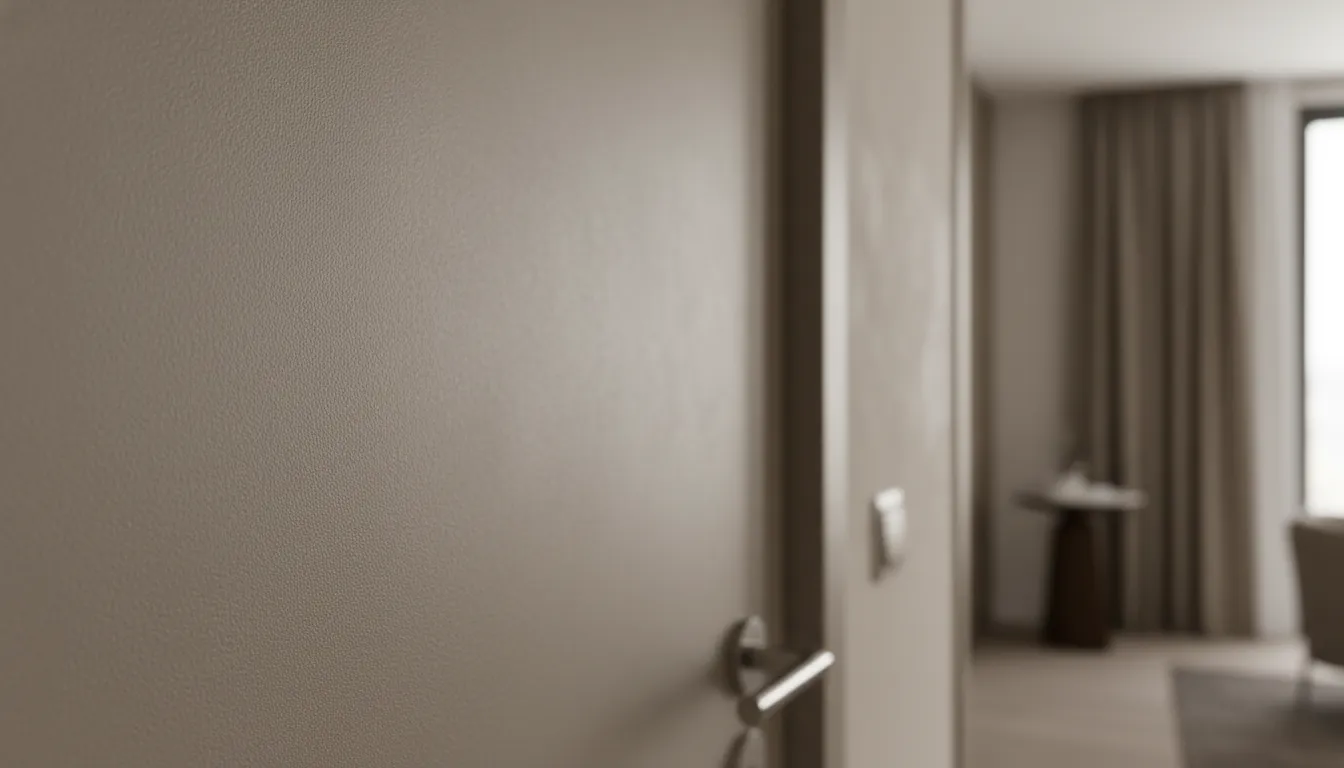
Why PET Film Fits Modern Interior Doors
1. Refined, Consistent Aesthetics
One of the defining strengths of PET film is its ability to deliver stable color and uniform surface quality. Whether applied to a single door or an entire door-wall system, PET film ensures visual consistency—an essential factor in minimalist and architectural interiors.
Solid colors, super matte finishes, and subtle textures allow doors to blend seamlessly into surrounding spaces or act as understated design accents without visual noise.
2. Durability for Everyday Use
Interior doors are among the most frequently touched surfaces in any space. PET film offers excellent resistance to scratches, stains, and abrasion, making it particularly suitable for high-use environments such as homes, hotels, offices, and public buildings.
Advanced surface treatments also enhance anti-fingerprint and easy-clean performance, helping doors maintain a clean, refined appearance with minimal maintenance.
3. Compatibility with Modern Manufacturing Processes
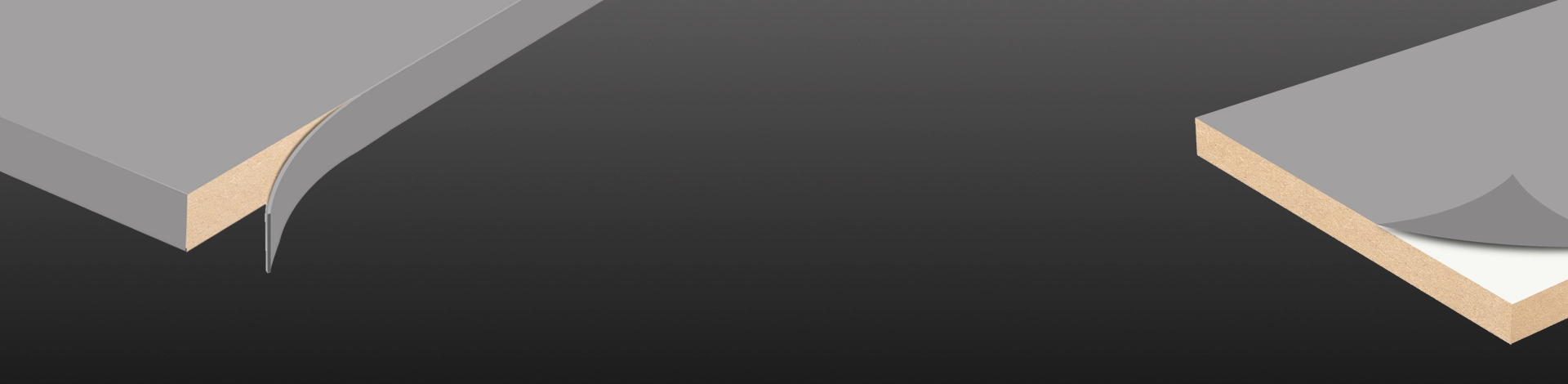
From a production perspective, PET film integrates efficiently with today's door manufacturing methods. Depending on design and structural requirements, PET film can be applied using:
- Flat lamination for flush door panels
- Wrapping processes for edge-finished door components
- Vacuum forming for complex or integrated designs
This flexibility allows manufacturers to achieve both design freedom and production stability, reducing material waste and improving consistency.
A More Responsible Material Choice
Sustainability is no longer optional—it is increasingly a baseline expectation. PET film stands out as a more environmentally responsible surface solution compared to many traditional decorative materials.
- PET is recyclable
- Free from harmful heavy metals
- Suitable for low-emission interior environments
For brands and developers seeking to align with green building standards and long-term sustainability goals, PET film offers a clear advantage.
Why Designers and Manufacturers Are Paying Attention
Across global markets, interior doors are evolving from standalone components into integrated architectural elements. The growing adoption of PET film reflects a broader industry realization: the best materials are those that quietly perform, age well, and support design intent without compromise.
PET film's balance of aesthetics, durability, and environmental performance positions it as a future-ready solution for interior door applications.
WellP's Perspective on PET Film for Interior Doors
At WellP, we work closely with door manufacturers, designers, and project partners to support a wide range of interior door applications. Our PET decorative films are developed to meet the real-world demands of modern interiors—offering stable color performance, refined surface finishes, and reliable processing compatibility.
For those looking to elevate interior door design while maintaining production efficiency and material responsibility, PET film is not simply a trend—it is a considered, long-term choice.
Looking Ahead
As interiors continue to move toward simplicity, longevity, and sustainability, the materials behind those spaces must evolve accordingly. Interior doors are no exception.
PET film's growing presence in door applications is not accidental—it reflects a deeper shift in how quality, performance, and design are defined in today's interior environments.
 Best Surface Materials for Modern Interior Doors