



 Home
HomeHigh Gloss vs Matte PET Film: Market Comparison for Furniture Manufacturers
 12 Mar,2026
For furniture and panel manufacturers operating in today's highly competitive landscape, surface finish selection dictates far more than mere aesthetic appeal. The strategic choice between high gloss and matte finishes fundamentally alters flat-line production requirements, quality control protocols, and target market positioning. As the global cabinetry and millwork industry pivots aggressively toward environmentally responsible materials—largely driven by the systematic phase-out of PVC due to volatile organic compound (VOC) emissions—the debate surrounding high gloss vs matte PET film has become a central operational consideration.
Panel producers must carefully weigh optical performance against manufacturing realities. While both variations share the same highly durable, recyclable polyethylene terephthalate (PET) base, their respective topcoats dictate entirely distinct handling procedures, defect rates, and consumer applications.
Market Demand for Different PET Film Finishes
Understanding where these architectural films are ultimately installed helps panel producers align their purchasing contracts and production capacities with actual market consumption. The split in demand is driven by localized design trends and functional requirements.
Demand from Kitchen Cabinets
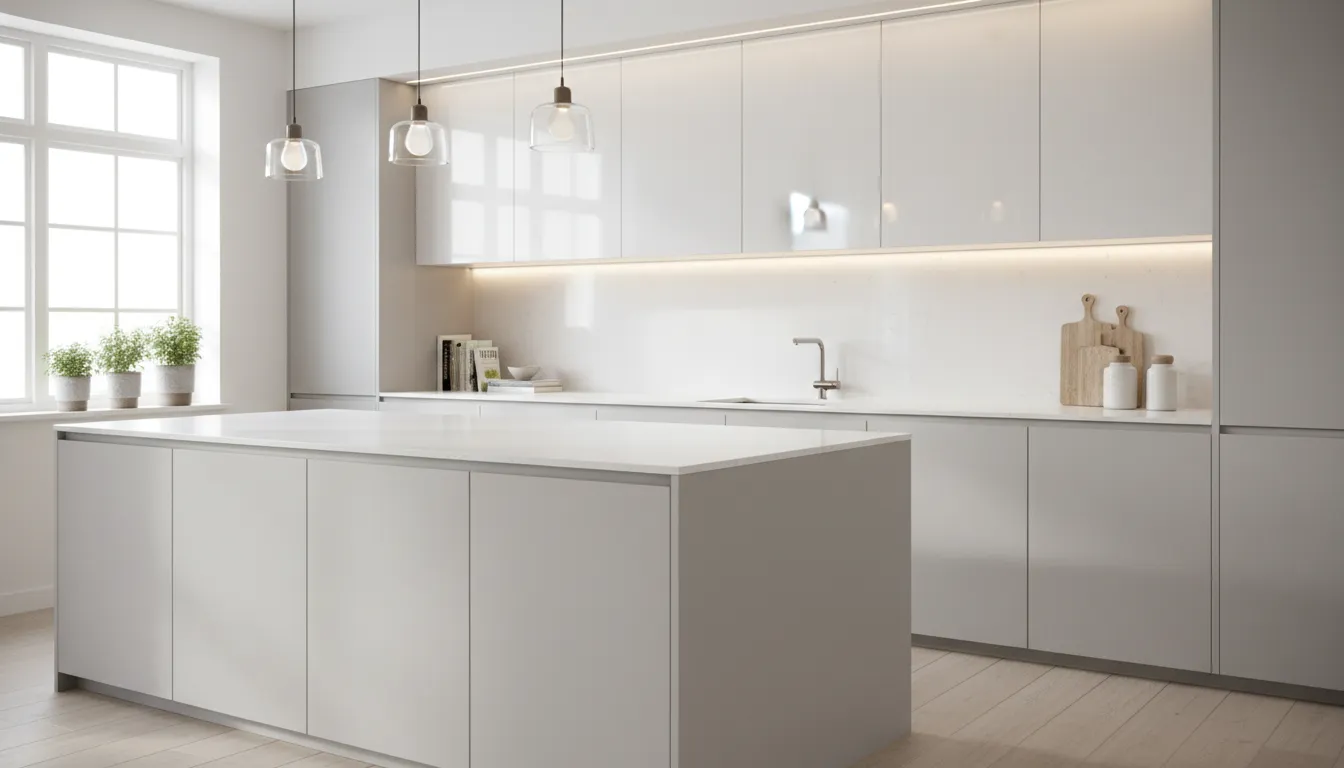
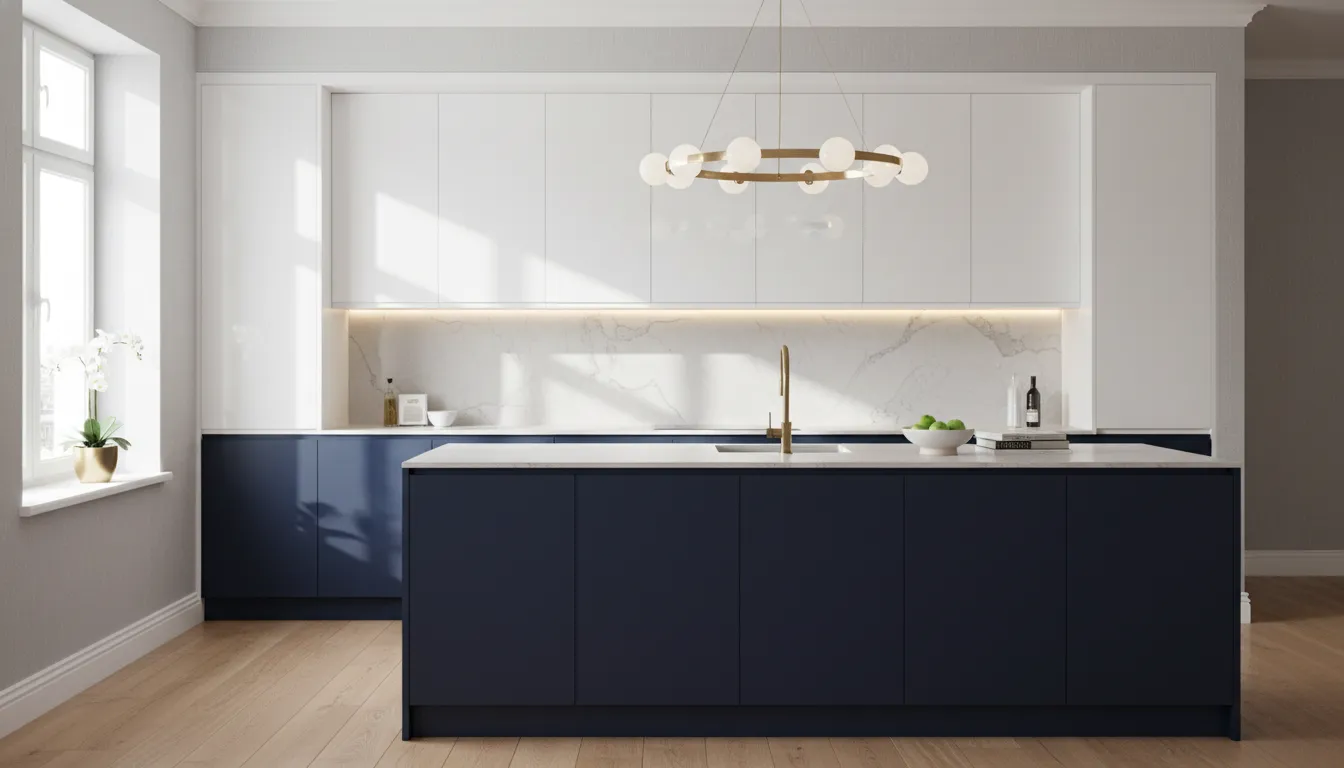
The kitchen environment remains the primary battleground for PET film surface finishes. Contemporary kitchen designers frequently utilize both finishes strategically within the same footprint. High gloss PET film is regularly specified for upper cabinetry. By acting as a reflective surface, it bounces ambient and task lighting around the room, making compact urban kitchens appear significantly larger.
Conversely, base cabinets—which endure heavier foot traffic, spills, and constant tactile interaction—are increasingly dominated by matte PET decorative film. This "split-finish" kitchen trend has forced board manufacturers to maintain robust, dual-inventory systems, often requiring precisely color-matched solid tones across both gloss levels to satisfy architect specifications.
Wardrobe and Interior Panels
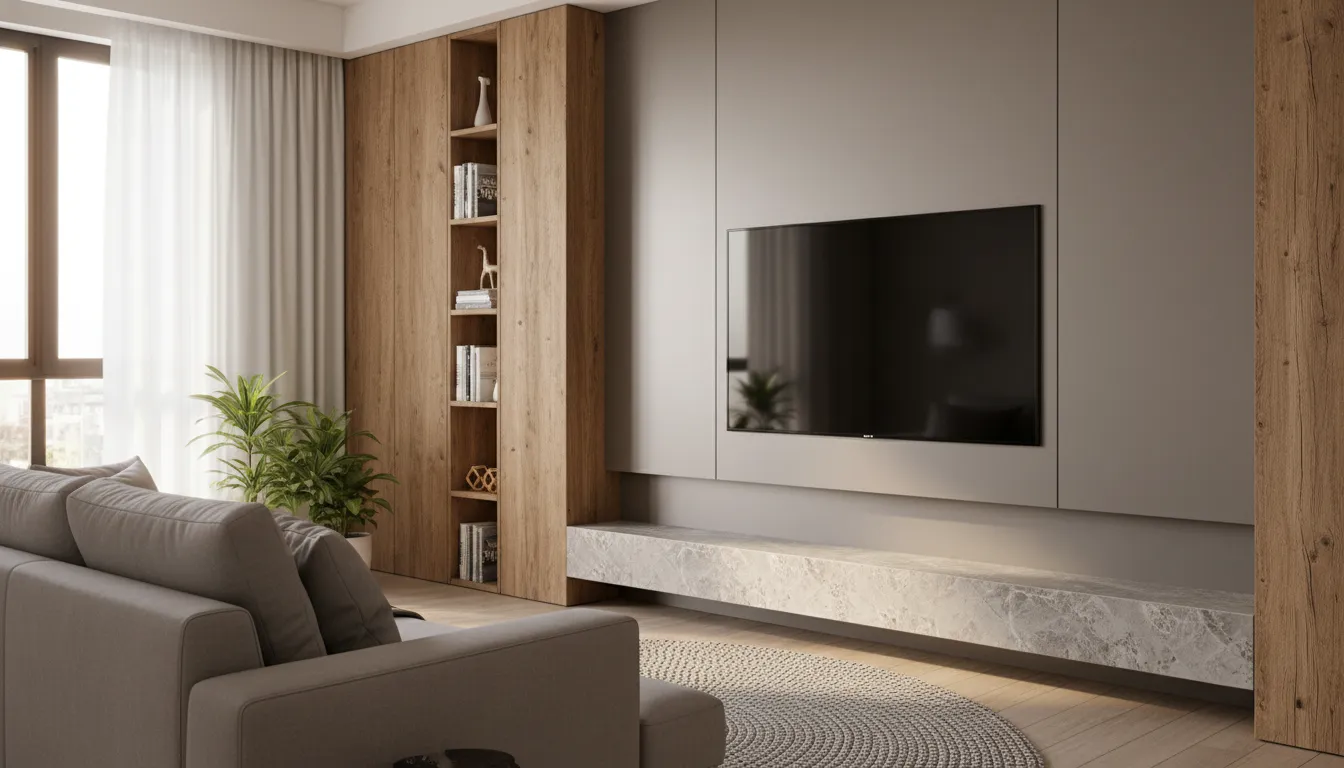
In the bespoke wardrobe and bedroom panel sector, market consumption tilts heavily toward matte. Consumers equate soft-touch, low-sheen surfaces with premium European luxury. Wardrobe doors span large vertical planes; specifying a highly reflective finish across such an expansive area can create overwhelming glare in bedroom environments. Matte finishes absorb light, generating the muted, calming atmospheres currently dominating high-end interior design specifications.
Regional Design Preferences
Geographic markets exhibit distinct, quantifiable consumption patterns. European and North American design specifications predominantly favor super-matte finishes, driving chemical companies to develop increasingly sophisticated anti-fingerprint (AF) technologies. Meanwhile, regions across the Middle East and parts of Southeast Asia maintain a steady, high-volume demand for high-gloss surfaces, strongly associating high reflectivity with premium residential developments. Exporters must calibrate their panel production lines to accommodate these localized preferences.
High Gloss PET Film: Characteristics and Market Position
High gloss surfaces operate on the physical principle of specular reflection. Achieving a true mirror-like finish requires a Gloss Unit (GU) rating exceeding 90 when measured at a 60-degree angle, alongside a high Distinctness of Image (DOI) rating.
Visual Impact and Optical Clarity
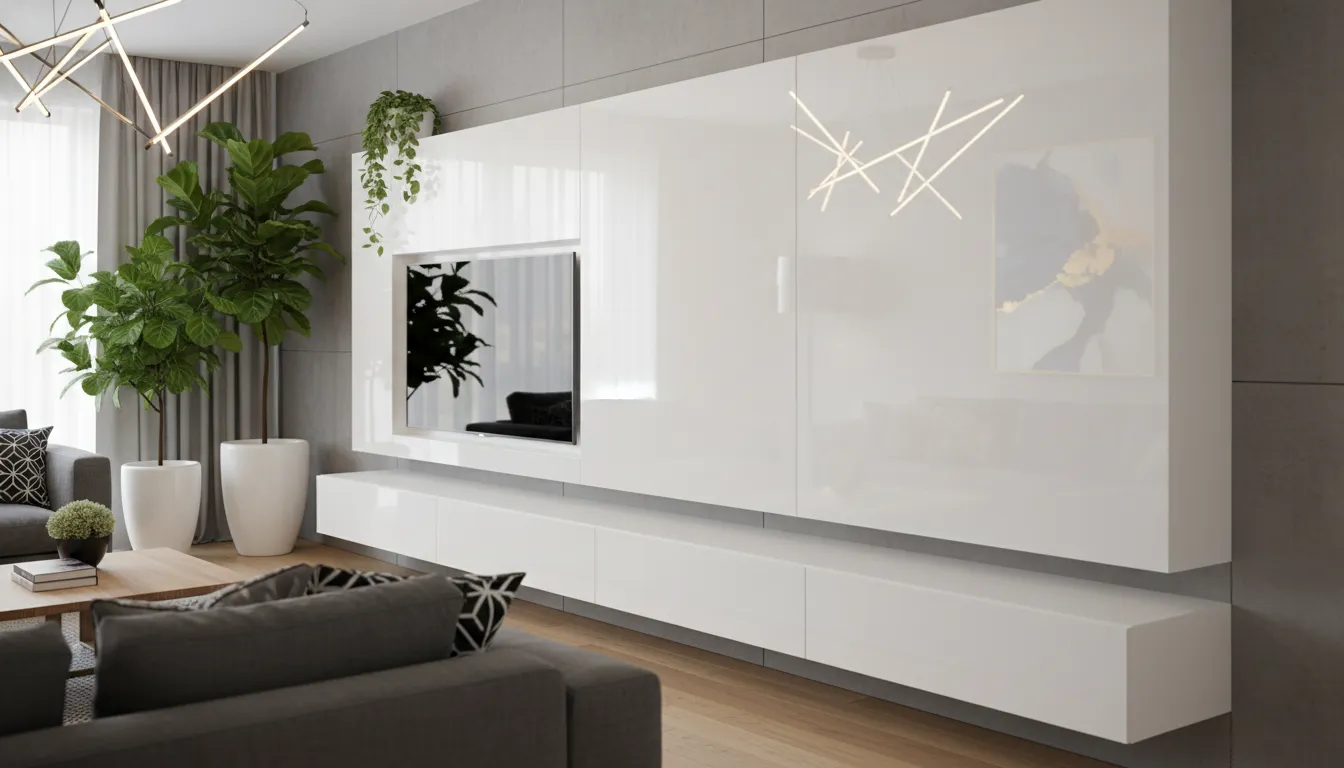
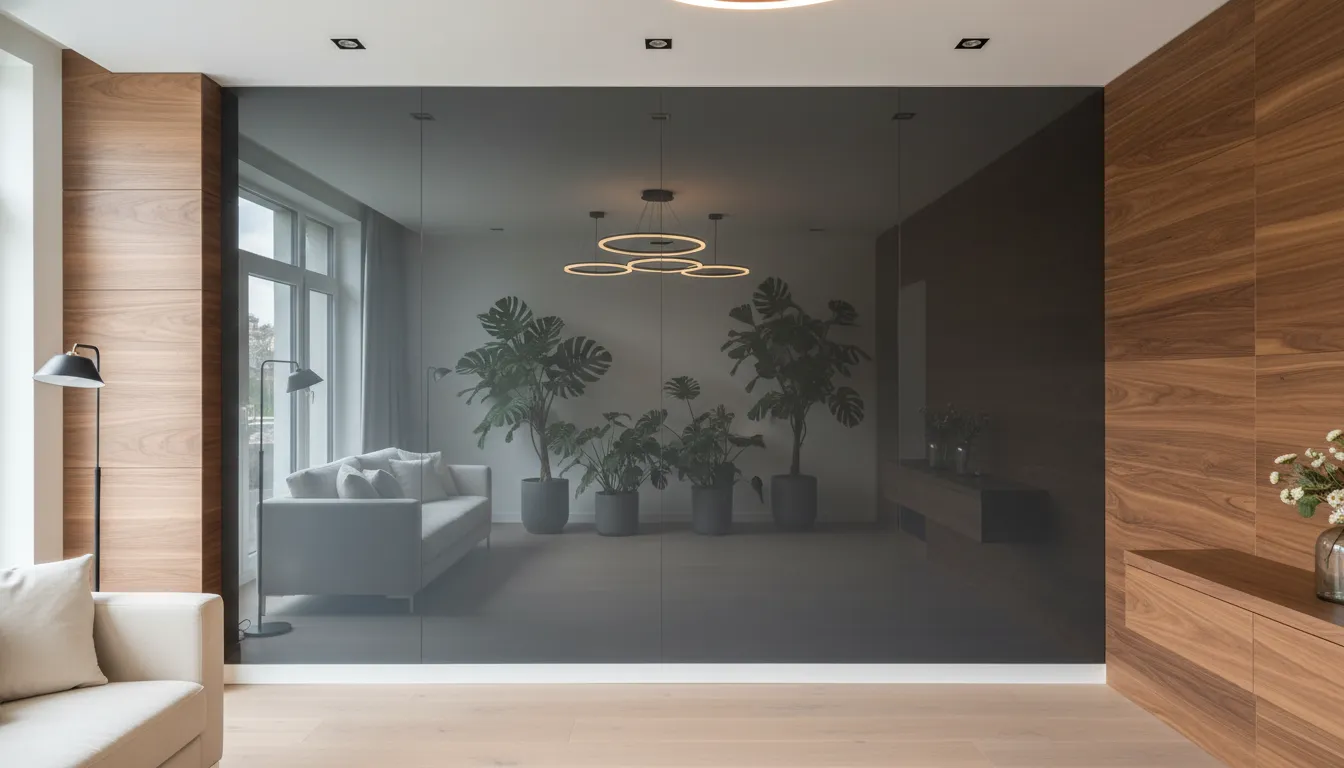
The primary commercial value of high gloss PET film lies in its depth of color and reflective clarity. A premium high-gloss film acts almost as a mirror. This optical illusion is a highly marketable feature for multi-family housing developers outfitting smaller apartments. The surface enhances the perception of modernism, particularly when paired with zero-joint laser edge banding, which eliminates the visible glue line and creates a monolithic acrylic-like slab.
Typical Applications
Beyond upper kitchen cabinets, high gloss dominates in commercial display fixtures, modern bathroom vanities, and specific contemporary casegoods like media consoles. It serves as an accent material, utilized precisely where interior architects want to draw the eye or maximize the impact of localized, integrated LED lighting.
Matte PET Film: Characteristics and Market Position
The rapid rise of super-matte finishes represents one of the most significant decorative film surface trends of the past decade. Achieving a surface with a GU rating below 5 requires complex microscopic texturing to scatter light rather than reflect it.
Anti-Fingerprint Properties and Surface Energy
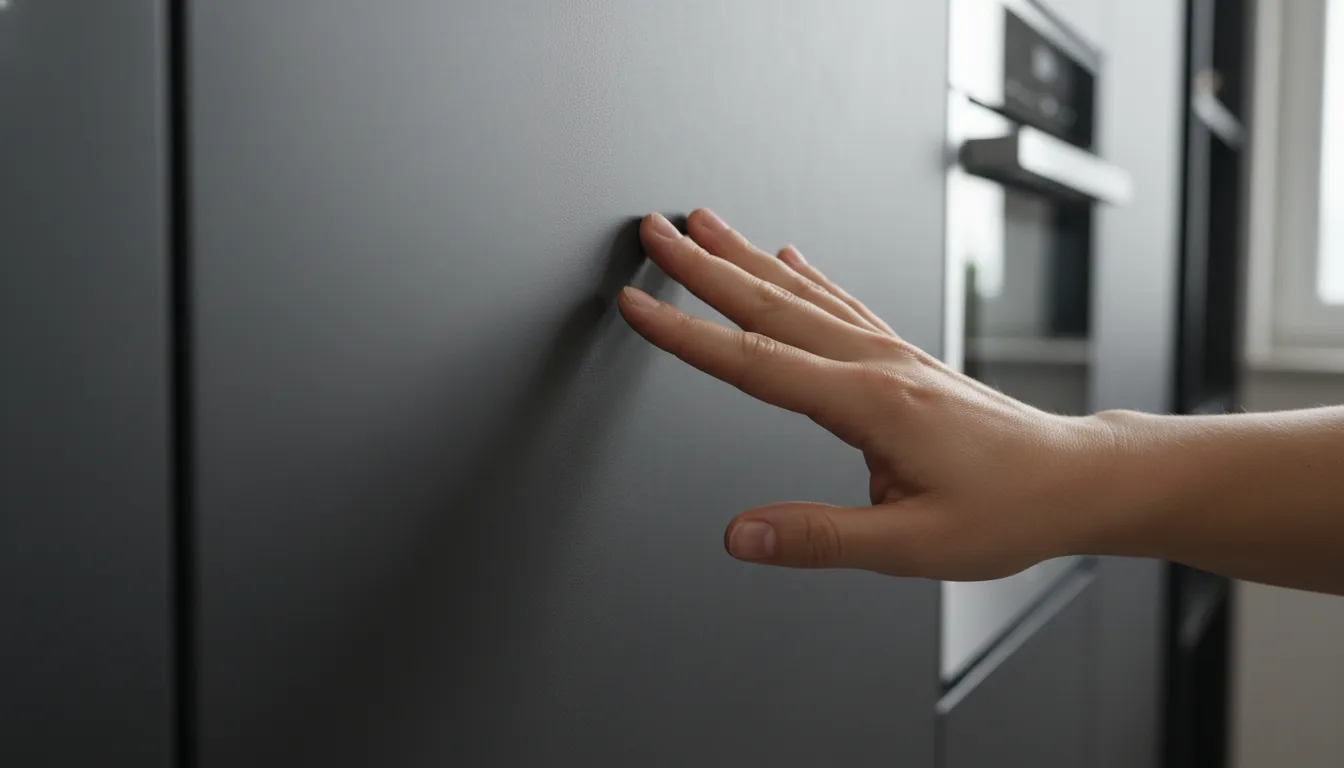
The tactile nature of modern handleless furniture means surfaces are constantly touched. Matte PET decorative film relies on advanced topcoats to diffuse light and resist localized oil buildup. Anti-fingerprint technology is a critical functional requirement, not a marketing gimmick. By fundamentally altering the surface energy of the film, manufacturers prevent human sebum (oils) from spreading. This hydrophobic and oleophobic nature ensures fingerprints either remain invisible or evaporate quickly.
Soft-Touch Aesthetics and Modern Interior Trends
The "skin-feel" or soft-touch tactile response is a major selling point for high-net-worth consumers. Modern interior trends lean heavily into biophilic design and understated luxury, where glaring surfaces feel visually disruptive. Matte PET aligns perfectly with natural, open-pore woodgrains and sintered stone textures, allowing designers to mix solid matte colors with organic materials without clashing sheens.
Manufacturing Considerations
Transitioning between these two finishes on an industrial flat lamination line requires strict operational adjustments. The underlying physics of the films dictate distinctly different handling, adhesive application, and quality control measures.
Surface Coating Technologies
The distinct characteristics of high gloss vs matte PET film originate in their highly specialized topcoats.
-
High Gloss: Typically utilizes a heavily cross-linked, UV-cured acrylic topcoat designed for maximum smoothness. The primary challenge for board manufacturers is substrate telegraphing. Any microscopic defect, dust particle, or unevenness in the MDF core will magnify through the film, manifesting as "orange peel."
-
Ultra Matte: High-end matte films increasingly rely on excimer laser curing technology. Operating in an oxygen-free, nitrogen-inerted chamber, short-wavelength UV light (172nm) creates micro-folds in the coating. This results in a perfectly uniform, ultra-low-sheen surface that is highly resistant to micro-scratching.
Flat Lamination and Adhesive Protocols
Both films are universally applied using Polyurethane Reactive (PUR) hot melt adhesives, but line parameters must be adjusted. When laminating high gloss films, the PUR adhesive coat weight must be meticulously controlled (typically between 40g/㎡ and 50 g/㎡) using precision roller coaters. Excessive adhesive will cause a rippled texture.
Matte films are slightly more forgiving regarding microscopic substrate imperfections due to their lack of reflectivity. However, they are highly sensitive to uneven pressure from the pinch rollers. Inconsistent pressure during the pressing phase can cause localized gloss variations or "burnishing" on a matte surface, ruining the uniform appearance of the panel.
Quality Control and Testing Standards
Manufacturers must subject laminated panels to rigorous testing to ensure longevity.
- Color Consistency: Measured using spectrophotometers, acceptable color variance between batches must strictly adhere to △ E < 1.0 to ensure panels from different production runs match perfectly in the consumer's home.
- Scratch Resistance: Both finishes should ideally achieve a pencil hardness of at least 2H. However, scratches behave differently optically. A micro-scratch on a high gloss surface disrupts the continuous reflection of light, making the defect highly visible. Matte surfaces, with their micro-textured topography, naturally camouflage superficial abrasions.
How Manufacturers Choose Between High Gloss and Matte PET Film
Selecting the optimal product mix is a strategic business decision based on several core pillars of factory capability and market positioning:
- Machinery and Cleanliness: Factories without sophisticated, enclosed dust extraction systems should bias their production toward matte finishes to maintain profitable yield rates, as gloss lamination demands cleanroom-like conditions.
- Target Demographic: Facilities supplying luxury custom closet franchises should prioritize premium, excimer-cured soft-touch matte. Those supplying commercial casegoods or modern modular kitchen wholesalers must maintain a robust high-gloss inventory.
- Cost Structure and Margins: Premium anti-fingerprint matte films generally command a higher raw material price point per linear meter due to the complex excimer curing process. Manufacturers must ensure their specific buyer demographic can absorb this premium before committing to large master rolls.
Frequently Asked Questions
1. Are high gloss and matte PET films applied using the same adhesives?
Yes, both architectural films are laminated to MDF or particleboard using Polyurethane Reactive (PUR) hot melt adhesives. The chemical cross-linking process is identical, though the application weight and roller temperature must be precisely calibrated based on the specific film's thickness to prevent visual defects.
2. Why does high gloss PET sometimes show an "orange peel" texture, and how can factories prevent it?
Orange peel occurs when the highly reflective film mirrors the uneven topography of the underlying wood substrate or an uneven adhesive layer. To prevent this, factories must source premium-grade, high-density MDF with a perfectly sanded face (calibrated to exact tolerances), apply PUR adhesive through heated precision roller coaters, and maintain a meticulously dust-free lamination environment.
3. Is matte PET film inherently harder to clean than high gloss?
This depends entirely on the topcoat technology. Standard, uncalibrated matte films have microscopic pores that can trap heavy kitchen oils and greases, making them difficult to degrease. Premium matte films utilizing advanced excimer topcoats possess a sealed, low-surface-energy layer that chemically repels liquids, making them exceptionally easy to maintain with mild soap and water.
4. How does PET film compare to traditional PVC film in terms of manufacturing safety?
PET is universally recognized as a safer, more sustainable alternative. Unlike PVC, PET does not release toxic halogen gases or dioxins when subjected to thermal processing or end-of-life incineration. This makes PET much safer for factory workers operating high-heat lamination lines and aligns with strict modern environmental certifications like GREENGUARD.
Conclusion
The high gloss vs matte PET film debate is not a matter of one being universally superior; it is a calculation of correct application and precise manufacturing controls. High gloss finishes continue to offer unmatched visual impact, depth, and light manipulation for modern spaces, provided the production facility can rigorously control the dust-free lamination process required to maintain high yield rates. Matte PET decorative film, driven by intense consumer demand for anti-fingerprint technology and tactile luxury, represents the fastest-growing market segment.
To maximize profitability, panel manufacturers and cabinet makers must rigorously audit their flat lamination lines, understand the specific architectural requirements of their regional buyers, and source films with topcoats engineered for their distinct end-use cases.
 Anti-Fingerprint PET Film: Surface Tech & Coating Explained