



 Home
HomeThe Strategic Integration of Metallic Surface Materials in Next-Generation Workplace Design
 10 Apr,2026
The modern workspace is undergoing a fundamental aesthetic and functional pivot. We have moved past the era of monolithic cubicles and the subsequent over-correction of "residential-style" offices. Today's commercial interiors demand a sophisticated balance: the warmth of collaborative spaces blended with the crisp, high-performance visual language of industrial minimalism.
Central to this evolution is the rising dominance of metallic finish foil and advanced PET-based laminates. As a seasoned observer of surface material trends, it is clear that the industry is shifting away from traditional wood grains toward materials that communicate innovation, stability, and cleanliness.
The Aesthetic Pivot: Why Metallic Surfaces are Redefining Commercial Space
For decades, metal in office furniture was relegated to structural components—legs, frames, and drawer pulls. However, we are witnessing a "surface-first" revolution. Designers are increasingly utilizing metal effect decorative film to cover large vertical and horizontal planes, moving metal from the structural "skeleton" to the "skin" of the furniture.
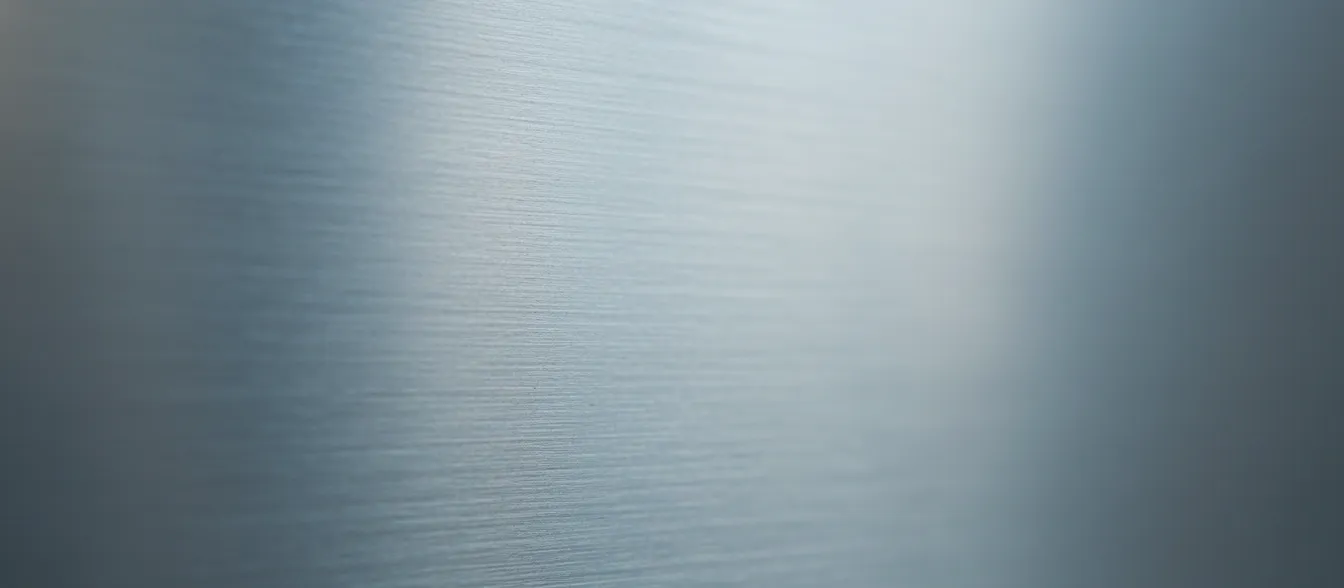
This traction is driven by the desire for "Tech-Minimalism." In an age dominated by high-end consumer electronics, the sleek, anodized look of aluminum and the deep texture of brushed steel have become synonymous with professional excellence. Unlike traditional paints or lacquers, a high-quality metallic PET film provides a level of depth, light reflectivity, and micro-textural consistency that liquid coatings simply cannot replicate in a mass-production environment.
Design and Functional Integration: More Than Just a "Look"
In the B2B furniture sector, aesthetics are a baseline requirement, but functional longevity is the deal-breaker. The adoption of metallic lamination film is not merely a stylistic choice; it is a strategic one.
Modern furniture surfacing foil must withstand the rigors of high-traffic commercial environments. Premium PET-based solutions offer several critical advantages over traditional PVC or direct-to-substrate coatings:
- Anti-Fingerprint Technology: Modern workspaces utilize shared "hot-desking." Surface materials like brushed metal finish film for office desks now feature advanced top-coats that resist oils and smudges, maintaining a pristine appearance throughout the workday.
- Tactile Sophistication: There is a psychological component to touch. A brushed aluminum decorative film for desks provides the cool, premium feel of metal without the prohibitive weight or the "clanging" acoustic disadvantage of solid sheet metal.
- Light Manipulation: Metallic surfaces help bounce natural light deeper into floor plates, a key factor in LEED-certified buildings and employee well-being.
Real-World Application Scenarios in Modern Offices
The versatility of metallic PET film for office furniture allows for a cohesive design language across diverse functional zones:
1. Executive Workstations and Desks
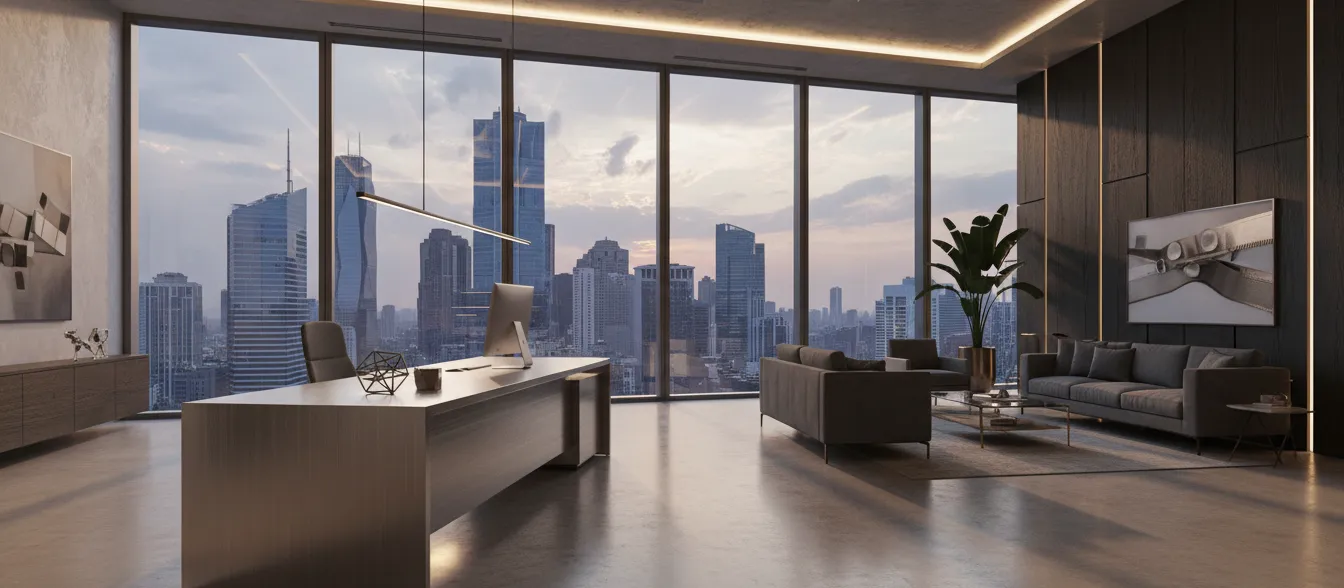
The executive office is moving away from heavy, dark veneers. Instead, we see a preference for stainless steel effect decorative film for furniture, often paired with stone or high-end matte solids. This creates a "prestige" aesthetic that feels modern rather than traditional.
2. Workstation Partitions and Privacy Screens
Metallic surface film for workstation partitions offers a way to define space without creating visual "heaviness." By using micro-perforated patterns or subtle brushed textures, manufacturers can create privacy barriers that feel architectural and light.
3. Storage and Filing Systems
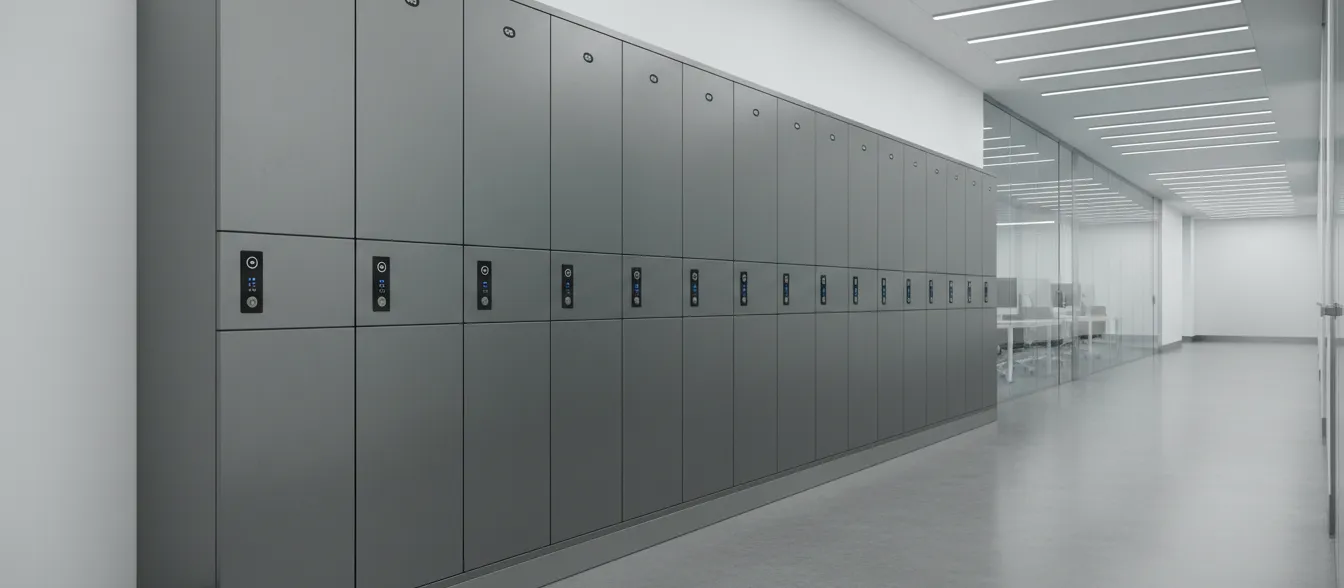
Large-scale cabinetry often becomes a visual burden in open-plan offices. Utilizing wholesale metal effect furniture film in champagne gold or soft titanium transforms storage into a design feature that complements the building’s hardware and window mullions.
4. Reception and Brand Touchpoints
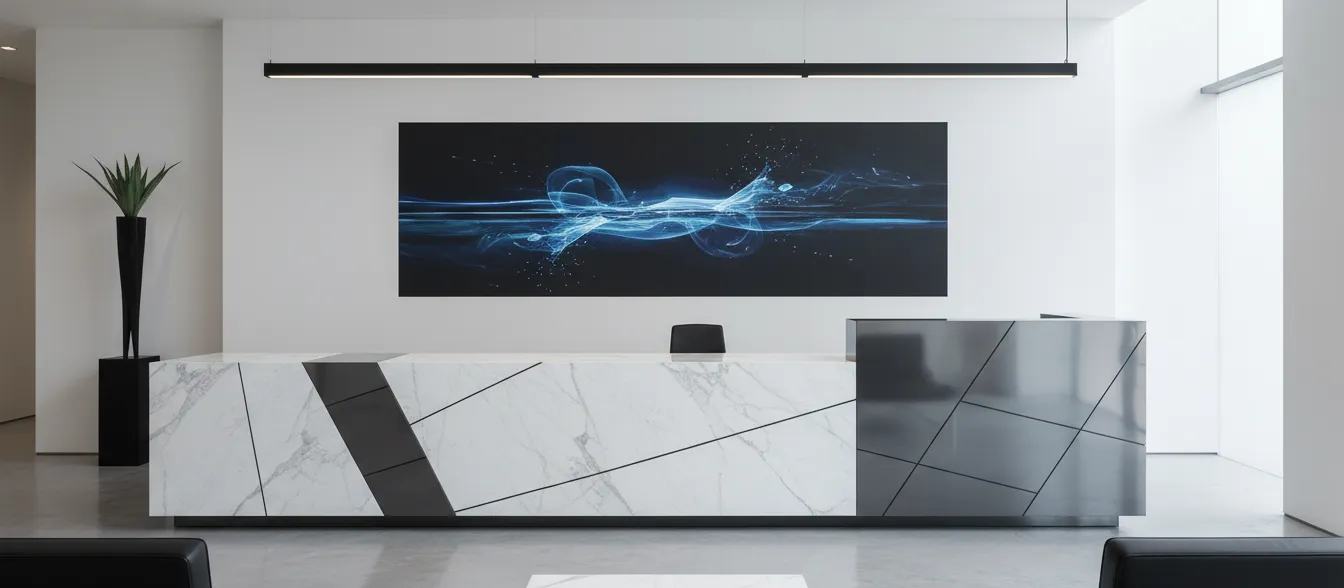
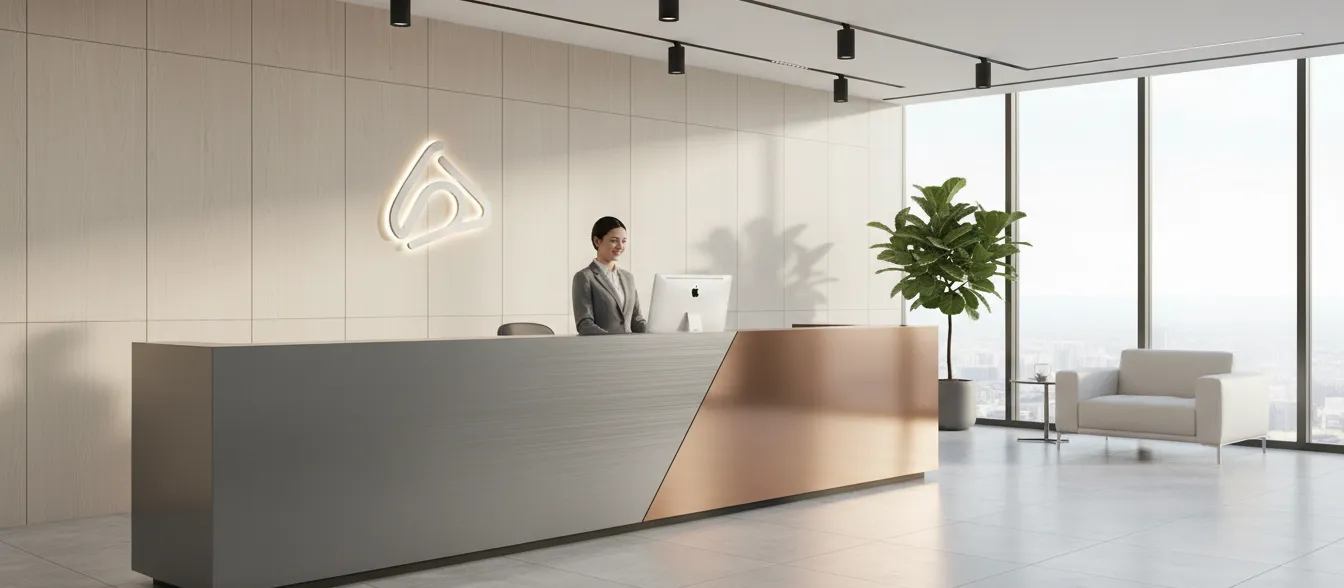
The reception desk is the first point of contact. Custom metallic finish foil applications—often featuring etched-look textures—allow brands to project an image of technological or industrial leadership from the moment a client walks in.
Manufacturing and Lamination: Technical Considerations for the Factory Floor
From the perspective of a metallic PET decorative film factory, the transition from design to finished product involves precise technical parameters. For furniture manufacturers, the choice of film must align with existing machinery and production speeds.
- Substrate Compatibility: High-performance metallic foils are engineered for seamless application on MDF, particleboard, and plywood.
- Lamination Processes: While flat lamination remains the standard, the industry is seeing a significant move toward PUR (Polyurethane Reactive) lamination. The thermal stability and moisture resistance of PET films make them ideal candidates for PUR processes, ensuring that the metallic lamination film does not delaminate in humid or high-temperature climates.
- Surface Durability: For a metallic finish foil manufacturer, achieving the correct "H" hardness rating on the surface is paramount. Modern PET films are now surpassing traditional laminates in scratch resistance, which is essential for horizontal work surfaces.
Strategic Sourcing: Selecting a Metallic Finish Foil Supplier
For procurement heads and R&D managers at major furniture brands, selecting a metallic finish foil supplier is a decision that impacts the entire supply chain. When evaluating a custom metallic decorative foil supplier, look beyond the price per meter.
Key B2B considerations include:
- Batch-to-Batch Consistency: Metallic pigments are notoriously difficult to stabilize. A professional manufacturer like WellP utilizes advanced color-management systems to ensure that a "Brushed Steel" film produced in January matches the one produced in June.
- R&D Support: Can the supplier develop a proprietary color or texture? The ability to bulk buy brushed metal PET film that is unique to your brand provides a significant competitive edge.
- Regulatory Compliance: In the commercial sector, VOC emissions and flame-retardant properties are non-negotiable. PET-based films are inherently more eco-friendly and stable than older vinyl alternatives.
As a leader in the field, WellP has positioned itself as a premier B2B metallic surfacing solutions provider. By focusing on high-grade PET substrates, WellP ensures that furniture manufacturers receive a product that is not only visually stunning but also optimized for high-speed industrial lamination.
Future Outlook: The Longevity of Metallic Surfaces
The trend toward metallic finishes is not a passing fad; it is a reflection of the "Industrial Biophilia" movement—the blending of raw, industrial materials with natural elements. We expect to see more "Warm Metals"—bronze, copper, and rose-tinted silvers—entering the modern office furniture metallic finishes market.
Furthermore, as sustainability becomes a core KPI for corporate interiors, the recyclability of PET-based metallic films will make them the preferred choice over multi-layered PVC composites. The future of office furniture is lighter, more durable, and more reflective of the technology that powers our work.
FAQ: Addressing Buyer Concerns
Q: How does the durability of metallic PET film compare to real metal sheets?
A: While real metal is theoretically more "impact-resistant," metallic PET film for office furniture is far more practical for furniture surfaces. It does not dent like aluminum, it is lighter for shipping, and advanced top-coats make it significantly more resistant to fingerprints and chemical cleaners than raw metal.
Q: Is metallic finish foil suitable for high-traffic areas like conference tables?
A: Yes. When applied using high-quality PUR lamination, brushed aluminum decorative film for desks provides excellent heat and scratch resistance. It is specifically designed to withstand the daily friction of laptops, coffee mugs, and stationary.
Q: Can we customize the "grain" or "brush" of the metal effect?
A: Absolutely. As a custom metallic decorative foil supplier, WellP can adjust the depth, direction (vertical vs. horizontal), and frequency of the brushed pattern to meet specific architectural requirements.
Q: What is the primary difference between a "metal-effect" film and real metal?
A: Beyond cost, the primary difference is "processability." Metal effect decorative film can be wrapped around edges and used in intricate furniture designs where rigid metal sheets would require expensive welding or mechanical fastening.
Conclusion: The PET Revolution in Metallic Finishes
In the competitive landscape of commercial office interior panel finishes, the shift toward metallic PET is clear. It offers a bridge between high-concept design and industrial reality. For furniture manufacturers, partnering with a reliable metallic finish foil manufacturer like WellP ensures access to materials that are as durable as they are beautiful.
By integrating metallic finish foil into your product lines, you are not just following a trend—you are adopting a high-performance material solution that meets the evolving demands of the 21st-century workplace. The era of the "plastic-look" office is over; the era of refined, metallic precision has arrived.
 OSB vs MDF Moisture Resistance: Engineering Evaluation